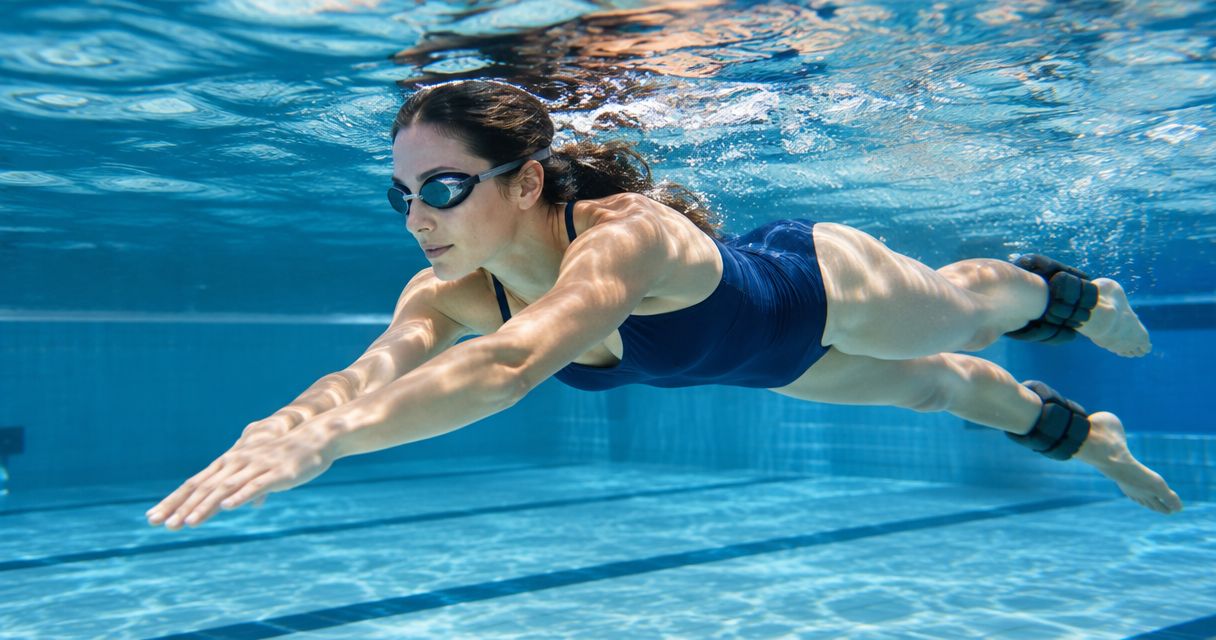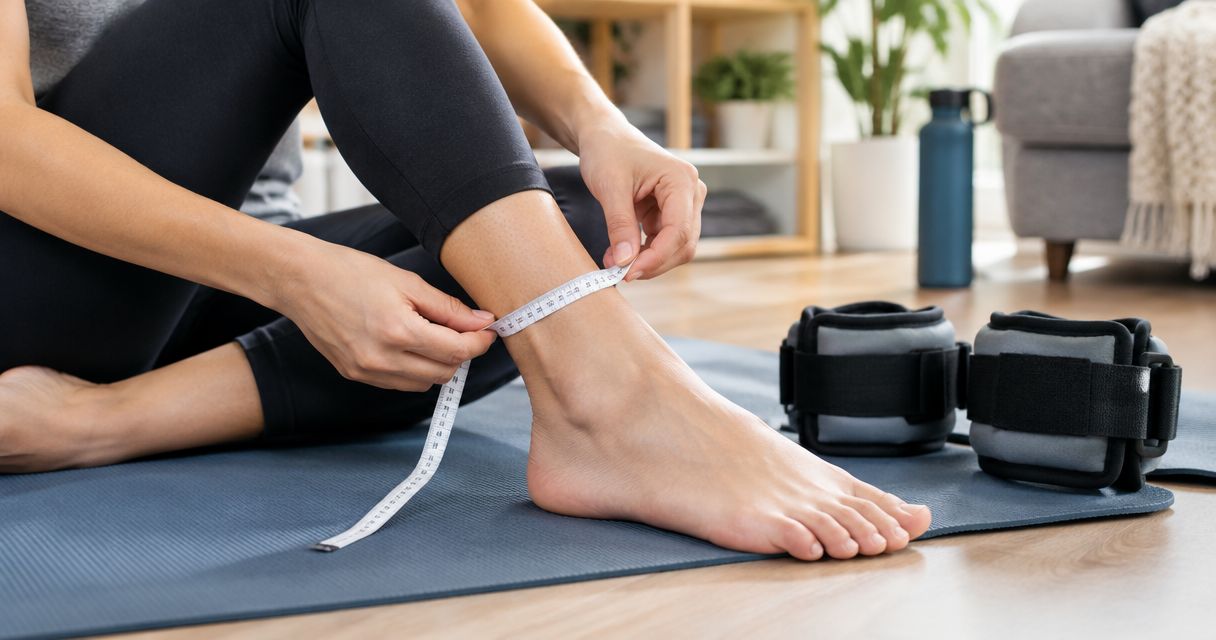
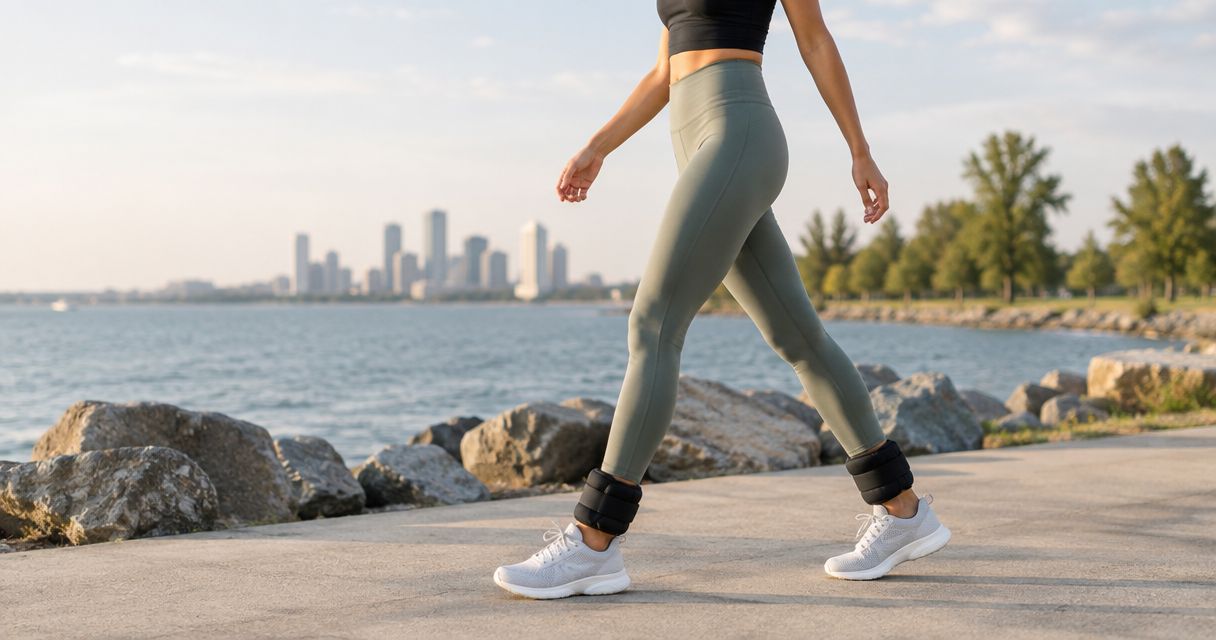
Best overall for controlled walking in 2026: adjustable cuff weights that let you choose the load. Best for training sessions beyond walking: SweatJoy Weighted Leg Sandbags for Dance & Training (Unisex). Best simple option: fixed-weight cuffs, if the fit stays secure and your stride feels natural. The best ankle weights for walking are the ones you can wear without changing how you move—not the heaviest pair you can find.
- Best ankle weights for walking in 2026: choose adjustable cuffs for load control and a secure fit.
- SweatJoy weighted leg sandbags suit buyers who also train, but confirm their walking fit before using them on a route.
- Fixed-weight cuffs keep the choice simple; their set load gives you less room to adjust.
- If weights change your stride or cause discomfort, take them off and walk without them.
Why this matters
An ankle weight sits at the end of your leg, where even a load that feels manageable while standing can become distracting as you walk. The buying decision starts with fit and movement, not a claim about working harder. In 2026, you still need to judge a cuff by what happens during an actual walk: does it stay put, and can you keep your normal stride?
SweatJoy sells weighted leg sandbags described as leg and ankle weights for dance and training. That makes them relevant to a wider fitness routine, but the product information supplied here does not establish their weight, adjustment method or suitability for a particular walking route. Treat those as checks, not assumptions.
Walking itself needs no accessory. If your aim is simply to get outside more often, an unweighted walk remains a sound default. Shop for ankle weights when you want them for a defined session and can assess the fit, rather than treating them as something to wear on every trip.
What makes the best ankle weights for walking
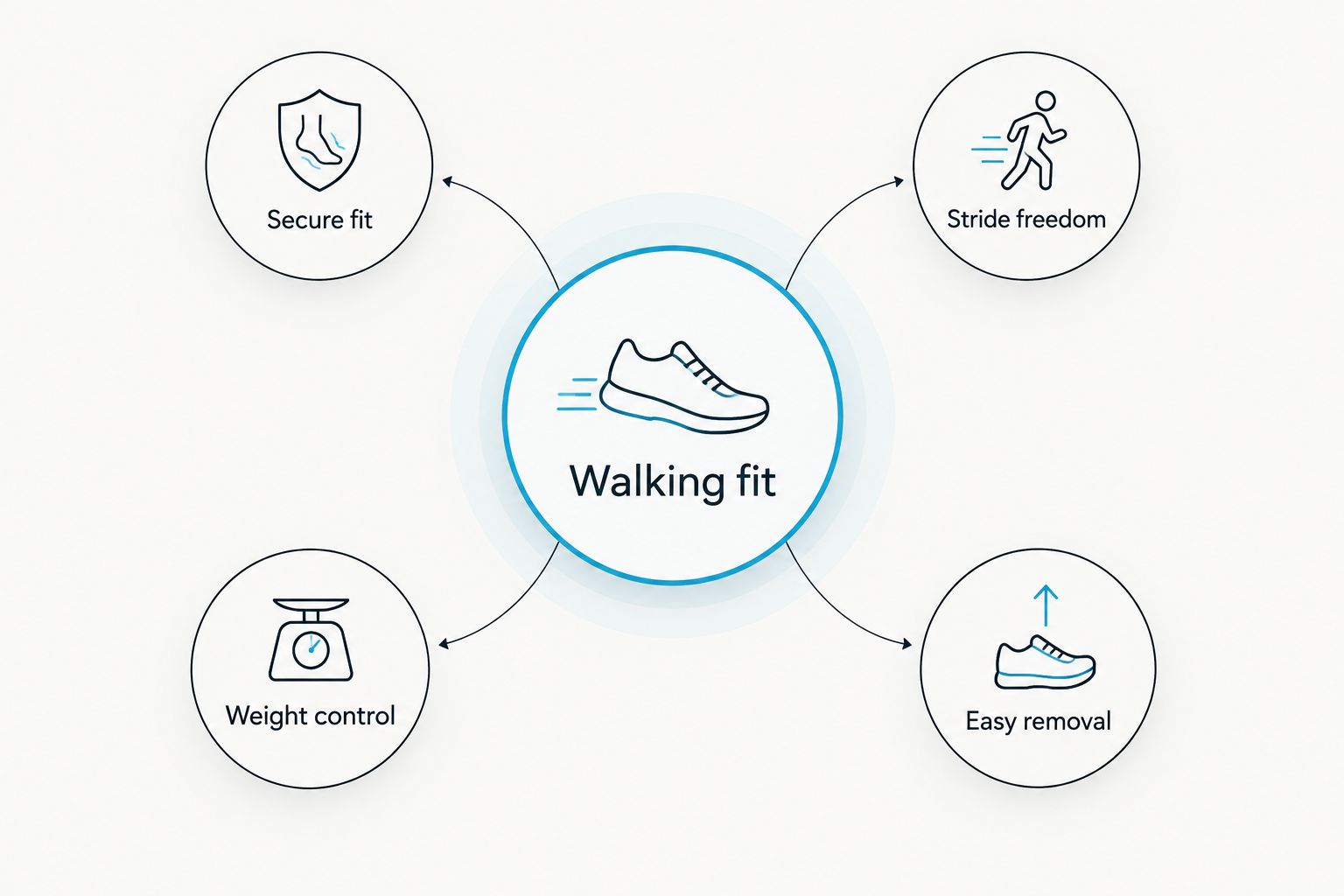
Use these criteria before comparing styles. A cuff that misses the first 2 checks is a poor walking choice, regardless of how it looks in a product photo.
- Secure fit: The weight stays in place as your foot lifts and lands. A cuff that slides, twists or rubs calls for a different fit.
- Stride freedom: You can walk at your usual pace without shortening your steps or swinging your leg to clear the cuff.
- Weight control: An adjustable design lets you change the load. A fixed-weight design requires a different pair if its load is wrong for you.
- Easy removal: You can take the weight off when it stops feeling right. Check the fastening method before committing to a route.
- Walking fit: The cuff works with your shoes and clothing where you intend to wear it. Check the combination while moving, not just while standing.
Fit comes before load. A lower load in a shifting cuff is not an upgrade over a stable cuff, and an adjustable cuff is not automatically comfortable. Put on the shoes you use for walking, fasten the cuff and take a few ordinary steps. If the cuff affects how you place your foot, stop the trial there.
These are selection criteria, not product specifications. Check a seller's current listing for its actual weight, fastening and care details. Do not infer them from a product name or a picture.
Best ankle weights for walking at a glance
The table ranks types and use cases, not tested models. Only the SweatJoy entry is a named product in the supplied catalogue; no measured fit or walking-performance comparison is available for any of the 3 options.
| Option | Best for | Standout feature | Key limitation |
|---|---|---|---|
| Adjustable cuff weights | Controlled indoor walking with a load you can change | Load control | Adjustment does not fix a poor fit |
| SweatJoy Weighted Leg Sandbags for Dance & Training (Unisex) | Buyers who also want weights for dance or training | Listed for leg and ankle training | Walking fit and weight need checking |
| Fixed-weight cuffs | Walkers who want one set load | Simple choice once the load suits you | Changing load means changing cuffs |
The default pick for walking in 2026 is an adjustable cuff with a secure fit—not a heavier cuff. SweatJoy weighted leg sandbags are the more relevant option here if walking is one part of a broader training routine. Neither choice earns a recommendation if it changes your stride.
1. Adjustable cuff weights: best ankle weights for controlled indoor walking
Adjustable cuffs are the strongest starting category because they let you change the load without switching to an entirely different style. That is useful when you are deciding whether ankle weights belong in a controlled walking session at all. The adjustment feature is a buying criterion, though; this guide does not identify a tested model or certify that every adjustable cuff stays secure.
Adjustable cuff weights pros:
- You can choose a load that suits the session instead of accepting one fixed load.
- You can reduce the load if the current setup distracts you from walking normally.
- They give you a clearer way to compare how different loads feel in the same cuff.
Adjustable cuff weights cons:
- A loose cuff can shift even after you change the load.
- Some designs require more setup than a fixed-weight cuff; inspect the fastening and adjustment method on the specific listing.
- Adjustability does not establish comfort, durability or safe use for you.
Best for: A walker planning a controlled indoor session who wants the option to change the load. Choose a cuff only after checking that it stays in place with your walking shoes and lets you move normally. For a longer outdoor walk where you cannot easily stop and reassess, walking without weights is the simpler default.
Verdict: Buy an adjustable cuff if you can verify its fit and want load control. Skip any model that shifts during your first walking check, however useful its adjustment sounds.
2. SweatJoy Weighted Leg Sandbags for Dance & Training (Unisex): best for mixed workouts
SweatJoy lists these as weighted leg and ankle weights for dance and training. That gives the product a clear place in a routine that includes more than walking. It does not, by itself, tell you how the sandbags fasten, what they weigh or how they feel over a walking route.
SweatJoy Weighted Leg Sandbags pros:
- The listed purpose covers leg and ankle training rather than an unrelated fitness accessory.
- The product is positioned for dance and training, giving it a use case beyond walks.
- It offers a named option to inspect if you want one type of gear for several sessions.
SweatJoy Weighted Leg Sandbags cons:
- The available description does not confirm a walking-specific fit.
- No weight or adjustment details are provided here, so you cannot compare loads from this guide.
- A training product still needs a movement check before you use it while walking.
Best for: Someone whose main interest is leg or ankle training and who wants to assess whether the same weights also suit a controlled walk. Check the current product details for fastening and load; then judge movement with your normal walking shoes. Do not buy them solely on an assumption that dance use translates to walking comfort.
Verdict: Hold for walking until you can verify fit and load. For broader training, SweatJoy weighted leg sandbags are the named option in this comparison, with the same need to check the details before choosing.
3. Fixed-weight cuffs: best ankle weights for a settled load
Fixed-weight cuffs keep the decision narrow: you pick a cuff with a set load and wear it as sold. That appeals if you already know the load and fit you want. It is less useful when you are still learning whether a loaded walk feels natural, because changing the load means changing cuffs.
Fixed-weight cuffs pros:
- There is no load adjustment to manage during a walk.
- The choice is straightforward once you have identified a suitable load.
- You can focus your product comparison on fit, fastening and how the cuff moves.
Fixed-weight cuffs cons:
- You cannot reduce an unsuitable load without removing or replacing the cuffs.
- A fixed design offers no protection against rubbing or slipping.
- A familiar load does not guarantee that a new cuff fits like an old one.
Best for: A walker who already knows the load they want and finds a secure cuff that does not interfere with their stride. If you are buying your first pair, check fit before favouring this simpler format over an adjustable one.
Verdict: Buy only when both the set load and the cuff fit are right for your intended session. Wait if you are still deciding what load you want.
How to check your choice before a full walk
Make the decision while moving, not while reading a label. In 2026, the same question applies whether you choose an adjustable cuff, fixed-weight cuffs or SweatJoy weighted leg sandbags: can you walk normally in them?
- Wear your walking setup. Put on the shoes and clothing you plan to use. A cuff that feels fine against bare skin while standing still has not passed a walking check.
- Fasten and stand. Check where each cuff sits and whether its fastening stays closed. If the product details do not explain how to secure it, resolve that before use.
- Walk a short, familiar stretch. Pay attention to slipping, rubbing and changes in your stride. Turn around and walk back; movement matters more than a stationary fit.
- Remove the cuffs if movement changes. Do not keep them on to finish a route after discomfort starts. An ordinary walk is still a complete walk.
This sequence is a practical filter, not a promise that a cuff is suitable for everyone. If you have a joint concern or are returning from an injury, get individual advice before adding weight to a walking routine. Do not use a shopping guide to settle a health question.
How we ranked the options
The 2026 ranking puts load control first, provided the cuff also fits securely. That gives adjustable cuffs the default slot for a controlled walking session. SweatJoy weighted leg sandbags take the mixed-workout slot because their stated purpose includes dance and training, while fixed-weight cuffs serve a buyer who already knows the load they want.
This is a decision tree, not a lab result. There are no supplied measurements for cuff movement, wearer comfort or walking performance, so none of the 3 entries wins on those measures. Apply the fit checks to the actual item before using it on a route.
Which ankle weights for walking should you choose?
Choose adjustable cuff weights if you want one starting point for a controlled walking session. You get the option to change the load, but only a secure fit and an unchanged stride make a particular pair a keeper. If either fails, take the cuffs off rather than trying to make the walk work around them.
Choose SweatJoy weighted leg sandbags when your purchase is mainly for dance or training and you also want to assess them for walking. Choose fixed-weight cuffs when you already know the load you want. If your goal is to make walking a regular habit, you can skip ankle weights entirely; no cuff is required to get out and walk.
FAQ
What are the best ankle weights for walking in 2026?
Adjustable cuff weights are the best starting type for a controlled walking session because you can change the load. Choose a specific pair only if it stays secure and lets you keep your usual stride.
Are SweatJoy weighted leg sandbags made for walking?
SweatJoy describes its weighted leg sandbags as leg and ankle weights for dance and training. Check the current fit, fastening and load details before deciding whether they suit your walks.
Are adjustable ankle weights better than fixed-weight cuffs for walking?
Adjustable ankle weights give you more control over the load, while fixed-weight cuffs keep that choice settled. Neither type wins if its cuff slips, rubs or changes how you walk.
Should I wear ankle weights on every walk?
No; you do not need ankle weights to walk. Use them only for a defined session where you can assess the fit and remove them if your movement changes.
How do I tell whether ankle weights fit for walking?
Walk in your usual shoes and check whether the cuffs stay in place without rubbing or changing your stride. Standing still is not enough to judge walking fit.
Should I choose heavier ankle weights for a harder walk?
No; do not choose ankle weights by load alone. Prioritise a secure fit and normal movement, and remove the cuffs if the added load changes your stride.
Can I use ankle weights for walking if I have a joint concern?
Get individual advice before adding ankle weights to your walks if you have a joint concern or are returning from an injury. A product comparison cannot determine what is suitable for your situation.
One last thing
The test that matters costs you no new routine: put on your usual walking shoes and see whether the cuff stays put while you move. A product that looks right while you stand still has not earned a place on your walk. In 2026, the best ankle weight is still the one you can remove the moment it gets in the way—and an unweighted walk remains the fallback.