Best overall: a removable-weight vest for progressive training. Best for straightforward walking sessions: a fixed-weight vest. Best for loaded calisthenics: a plate-loaded vest. This 2026 guide compares vest designs by fit, movement and load control so you can choose the right format before choosing a model.
- The best weighted vests for fitness training match your movement; removable-weight designs are the default for progressive workouts.
- Fixed-weight vests suit consistent walking sessions, but you cannot reduce their built-in load.
- Plate-loaded vests suit loaded calisthenics; rigid plates demand a careful movement check.
- Sweatjoy fitness accessories suit complementary home workouts; ankle weights and weighted ropes do not replace a torso-loaded vest.
Why this matters
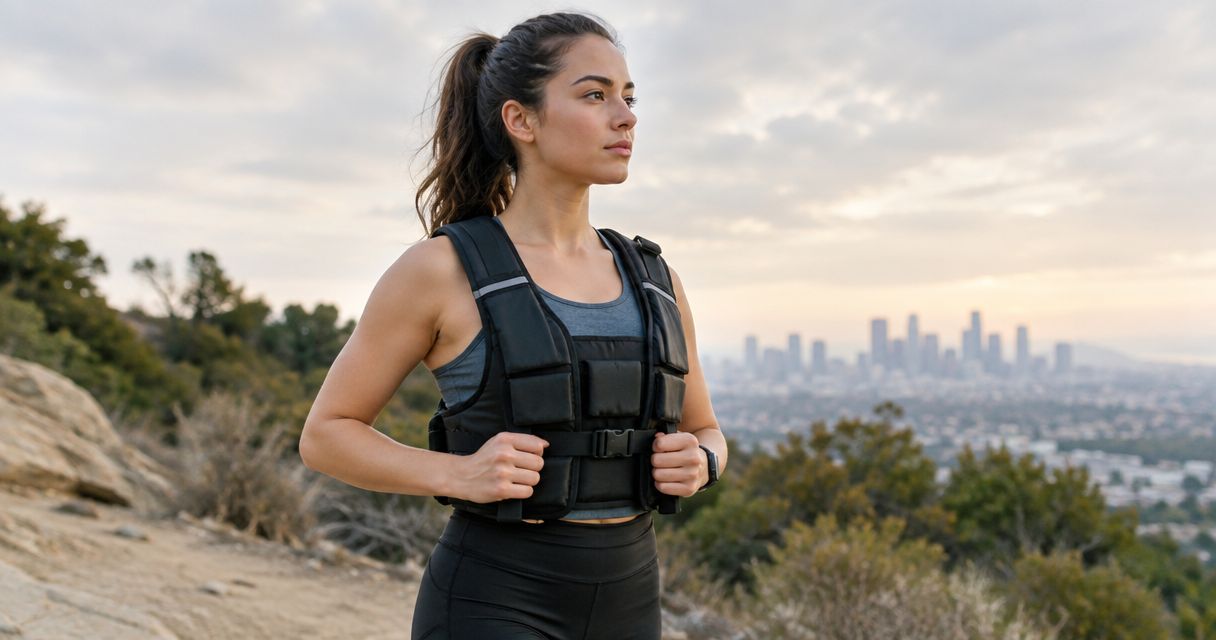
A weighted vest adds external load around your torso. That makes fit part of the exercise, not just a comfort detail: a vest that shifts, presses into your shoulders or blocks your range of motion changes how you train.
Choose the movement first and the vest second. Walking, push-ups and running ask different things from the same piece of equipment. The best choice for one is not automatically the best choice for another.
Sweatjoy sells fitness gear and workout accessories for gym-goers and fitness enthusiasts. Keep those accessories in their proper role: resistance around your ankles or in a jump rope is not equivalent to weight carried on your torso.
What makes the best weighted vests for fitness training?
Use these criteria to narrow your 2026 shortlist. A long feature list does not rescue a poor fit.
- Secure fit: The vest should stay close to your torso through the movement you intend to train. Check the fastening system under load, not only while standing still.
- Load control: Removable weights let you change resistance. Fixed weights give you a single loading level. Choose according to whether your sessions need different loads.
- Movement clearance: Check the neckline, arm openings and lower edge. Your shoulders, hips and trunk need room to perform the exercise without the vest getting in the way.
- Load placement: Look at how weight sits around the torso. Follow the manufacturer's loading instructions rather than arranging inserts wherever they happen to fit.
- Contact comfort: Examine the shoulder area, seams and fastening points. Pressure that feels tolerable while standing can become distracting during repeated movement.
- Care and compatibility: Check cleaning instructions and, for removable-weight or plate-loaded designs, the exact compatible inserts. Similar-looking weights are not proof of compatibility.
Reject any vest that requires you to change your technique just to keep it in place. Tightening straps is useful only if the resulting fit still allows comfortable breathing and normal movement.
Weighted vest designs at a glance
These rankings compare construction types, not individual models. Each recommendation has a separate job, and the limitations matter as much as the advantages.
| Rank and vest type | Best for | Standout feature | Key limitation |
|---|---|---|---|
| Removable-weight vest | Progressive mixed training | You can add or remove compatible weights | Inserts and pockets require checking |
| Fixed-weight vest | Consistent walking sessions | Built-in load without removable inserts | You cannot reduce the built-in weight |
| Plate-loaded vest | Loaded calisthenics | A carrier holds compatible weight plates | Rigid plates can restrict movement or create pressure |
Do not treat these labels as guarantees. A removable-weight vest with poor fastening is still a poor choice, and a plate carrier is only suitable for exercise when its intended use and fit support your session.
1. Removable-weight vest: best for progressive mixed training
A removable-weight vest holds separate weights in pockets or dedicated compartments. You change its load by adding or removing compatible inserts, which makes this format useful when different exercises need different resistance.
For a mixed routine, that flexibility is the main reason to choose it. You do not need to commit every walk, squat and push-up session to the same external load.
Best for: You want one vest format for progressive walking and controlled bodyweight workouts.
Removable-weight vest pros
- You can lower the load when learning an exercise or returning to a familiar movement.
- You can change resistance without changing the entire vest.
- Separate inserts allow loading adjustments within the manufacturer's permitted configuration.
- The format supports a progression plan based on movement quality rather than a permanently fixed load.
Removable-weight vest cons
- More inserts and pockets mean more components to inspect and secure.
- Uneven or incorrect loading can make the vest sit poorly.
- The smallest available insert determines how finely you can adjust the load.
What to check before choosing
Read how the vest must be loaded. Check whether the manufacturer specifies paired inserts, designated pockets or a particular distribution, then follow those instructions exactly.
Next, examine the closures. Inserts should remain secured through your intended movement; an open pocket or loose fastener is a reason to stop and correct the setup.
For your 2026 training plan, choose load adjustability you will actually use. A large maximum capacity is not a useful advantage if the vest is uncomfortable at the loads your sessions require.
Verdict: Buy this format as the default for progressive mixed training, provided the fit and insert system pass your movement check.
2. Fixed-weight vest: best for consistent walking sessions
A fixed-weight vest has a built-in load that you cannot remove. Its main appeal is straightforward setup: you put it on, secure it and train without organising separate inserts.
That simplicity suits walking sessions where you deliberately want the same load. It is less useful when you need to reduce resistance for another exercise or adjust a session because the current load feels too demanding.
Best for: You already know the load you want for a consistent walking routine.
Fixed-weight vest pros
- There are no removable weight inserts to organise before each session.
- The built-in load stays consistent between workouts.
- Setup does not require choosing a loading configuration.
Fixed-weight vest cons
- You cannot remove weight when the load is too demanding.
- Changing resistance requires a different vest or a different training approach.
- A comfortable fit while standing does not establish a comfortable fit while walking.
What to check before choosing
Check the fit during normal arm swing and a comfortable walking stride. The vest should not force your elbows outward, pull at your neckline or repeatedly strike your torso.
Pay attention to the shoulder contact points. A simple design still needs to distribute its load comfortably, and fastening it tighter is not an answer to every pressure problem.
If you are choosing your first vest in 2026 and do not yet know your appropriate load, prioritise adjustability instead. Fixed loading removes a useful option precisely when you are still learning what fits your routine.
Verdict: Buy for a known, consistent walking load; skip this format if you need to adjust resistance between sessions.
3. Plate-loaded vest: best for loaded calisthenics
A plate-loaded vest uses a carrier to hold compatible weight plates around your torso. This format suits controlled calisthenics when you want to add external load to movements you already perform confidently.
The important trade-off is rigidity. Plates have a defined shape, so you must check how that shape interacts with your torso, floor position and range of motion.
Best for: You already perform controlled bodyweight exercises and want a plate-based loading system.
Plate-loaded vest pros
- You can change load by changing compatible plates.
- The carrier provides dedicated compartments for plate placement.
- The format separates the carrier from the loading components.
Plate-loaded vest cons
- Rigid plates can press into your body or interfere with movement.
- Plate dimensions and shape must match the carrier's requirements.
- A carrier designed for another purpose is not automatically suitable for exercise.
What to check before choosing
Verify compatibility before inserting plates. Do not assume an ordinary lifting plate belongs in a carrier simply because you can force it into a compartment.
Test the positions your workout requires. For push-ups, check the bottom position and your ability to keep the carrier secure; for squats, check whether its lower edge interferes with your hips or torso.
Loaded calisthenics also requires suitable surrounding equipment. Confirm the intended use and limits of any bar, support or training station before combining it with added body load.
Verdict: Buy for established, controlled calisthenics; hold if plate compatibility or movement clearance is unresolved.
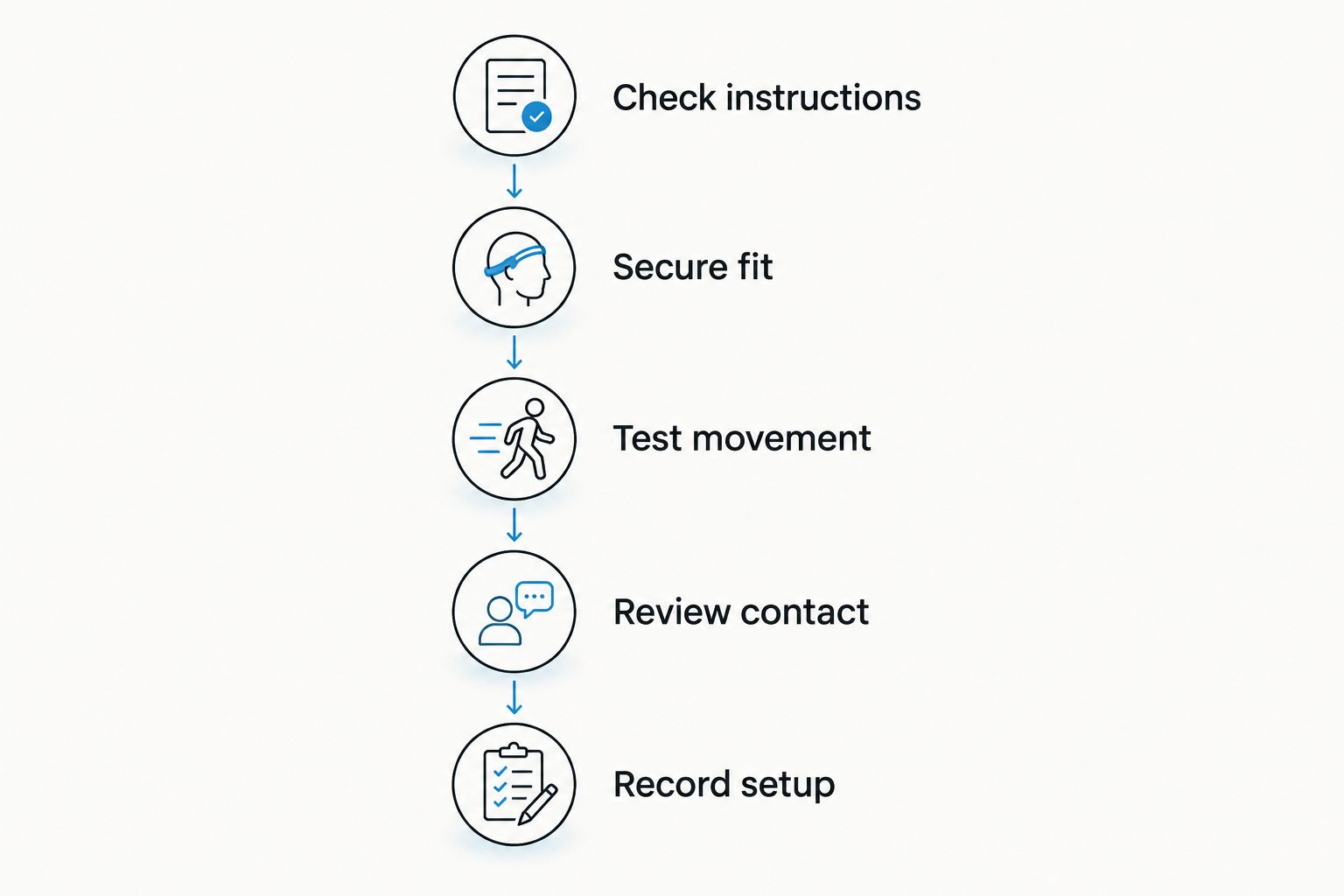
Check the fit before adding effort
Use this sequence when assessing a vest. Start with the fit, then check movement, then decide whether the load belongs in your session.
- Check instructions: Confirm intended use, loading method and fastening requirements.
- Secure fit: Fasten the vest without restricting comfortable breathing.
- Test movement: Perform your intended movement under control and check for shifting or obstruction.
- Review contact: Look for rubbing, concentrated pressure and uncomfortable edges.
- Record setup: Note the loading configuration and fastening position so your next session starts consistently.
A movement check is not a challenge to push through discomfort. If the vest shifts or alters your technique, correct the setup or choose another format before increasing effort.
Put the vest inside a training plan
A vest is a loading tool, not a complete fitness programme. You still need a reason for using it in a particular session.
The World Health Organization's adult physical activity guidelines recommend 150–300 minutes per week of moderate-intensity aerobic activity, or 75–150 minutes per week of vigorous-intensity activity, plus muscle-strengthening activity on 2 or more days per week. These are general activity targets, not weighted-vest prescriptions.
For your 2026 routine, keep that distinction clear. You do not need to wear a vest for every walk or strength session to build a consistent activity habit.
- Use a vest when added torso load serves the exercise you have chosen.
- Keep unweighted sessions when they better suit technique, recovery or your activity goal.
- Change one training variable at a time so you can assess the effect of added load.
- Stop using the vest if it causes pain, dizziness or difficulty breathing, and seek appropriate medical advice.
If you have a condition that affects exercise tolerance, balance or joint comfort, get individual guidance before adding external load. A product category cannot establish your personal readiness.
Weighted vests versus other fitness accessories
Sweatjoy fitness accessories are best for gym-goers building complementary home workouts, not for replacing torso-loaded vest training. Choose equipment by what it asks your body to do.
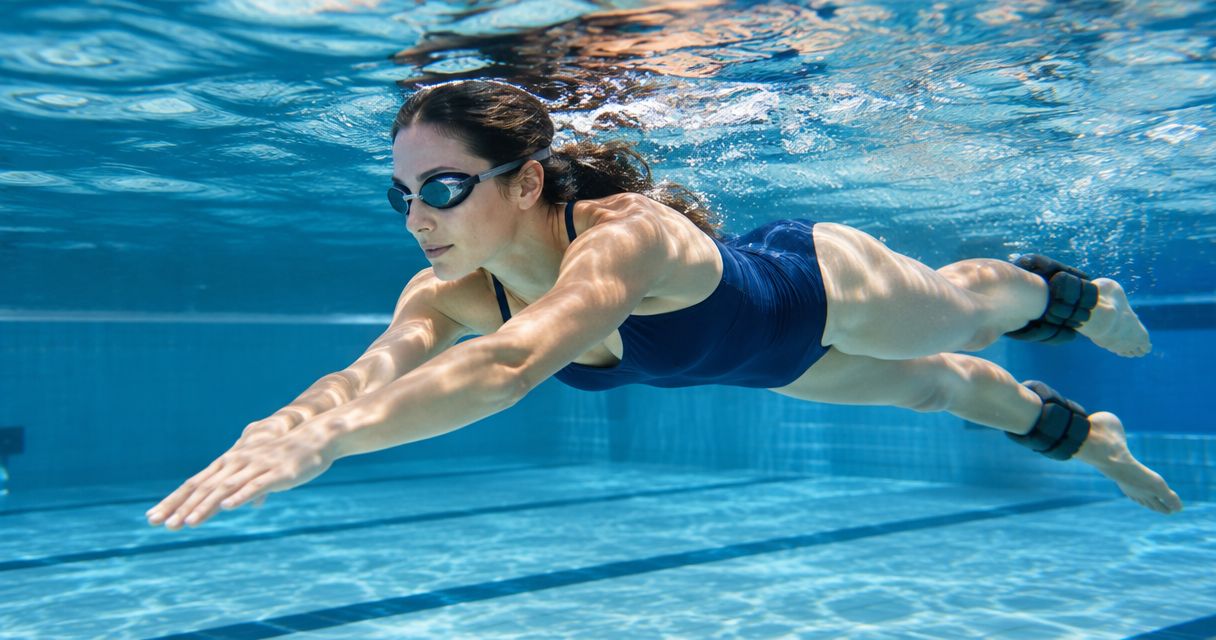
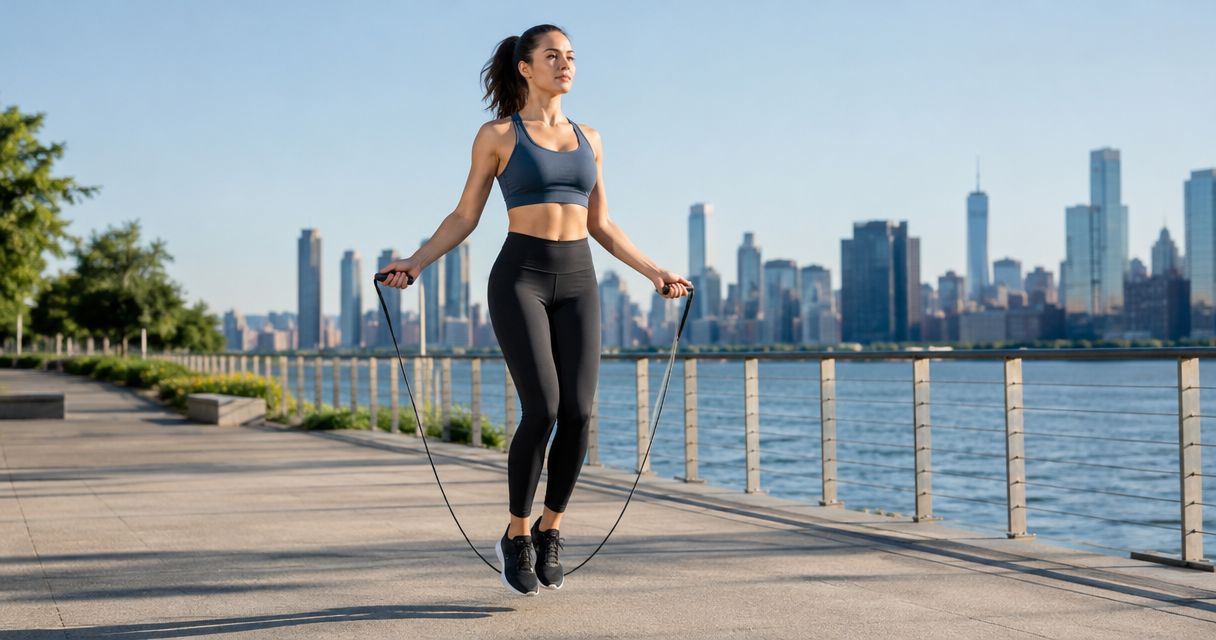
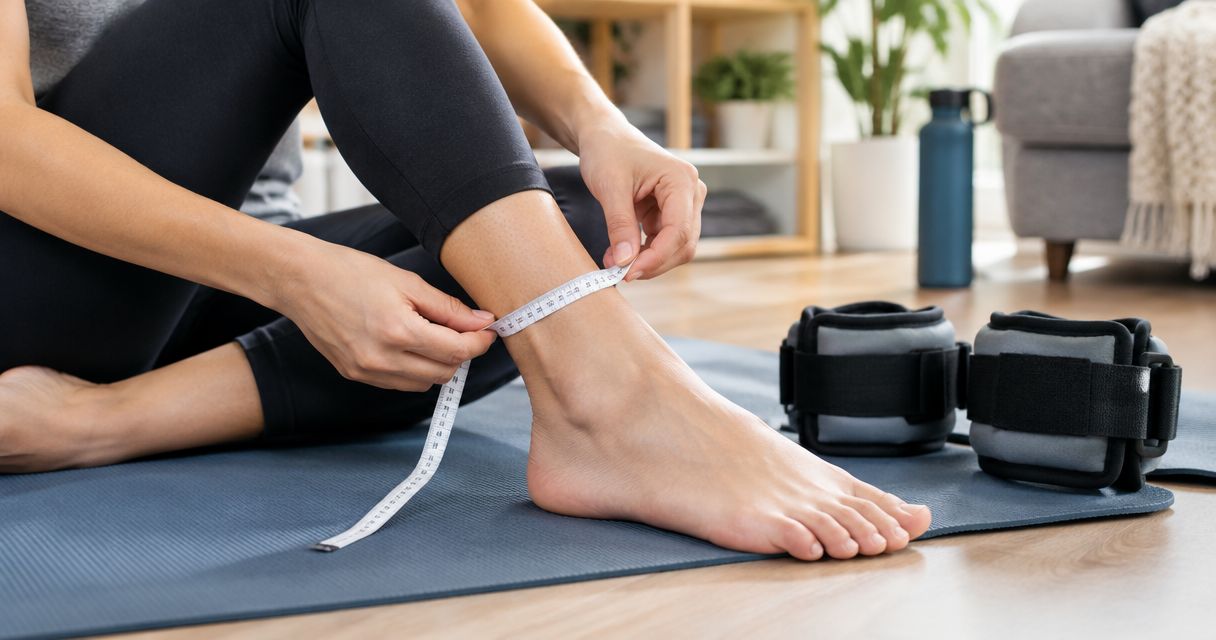
Ankle weights put resistance around your lower limbs. A weighted jump rope serves a rope-based workout. Neither uses the same loading position as a vest, so swapping between them changes the exercise rather than simply changing the equipment.
| Equipment type | Best for | Advantage | Limitation |
|---|---|---|---|
| Weighted vest | Adding torso load to suitable movements | Leaves your hands free | Fit and external load affect the session |
| Ankle weights | Exercises deliberately selected for lower-limb resistance | Places resistance at the lower limbs | Does not reproduce torso loading |
| Weighted jump rope | Rope-based fitness sessions | Combines rope handling with repeated movement | Requires rope technique and suitable exercise space |
Choose an accessory because it matches your workout, not because every weighted item sounds interchangeable. Adding resistance in a different place creates a different task.
How these vest formats rank
The ranking prioritises load control, secure fit, movement clearance and a distinct use case. Removable-weight designs lead because you can change their load; fixed-weight designs serve consistent sessions; plate-loaded designs serve controlled calisthenics with compatible plates.
The order is a buying framework, not a claim that every adjustable model beats every fixed model. Fit can overturn the ranking. Reject the highest-ranked format if its actual construction interferes with your movement.
Which weighted vest should you choose?
Choose a removable-weight vest if you are undecided. Its adjustable load gives you more room to match the equipment to different sessions.
Choose a fixed-weight vest only when you already want its built-in load for a consistent routine. Choose a plate-loaded vest when controlled calisthenics is your priority and you have confirmed both compatibility and clearance.
The best weighted vests for fitness training in 2026 are the ones you can secure, move in and load appropriately. Maximum capacity comes after those checks, not before them.
FAQ
What's the best weighted vest for general fitness training?
A removable-weight vest is the default choice for progressive general fitness training. You can change its load between suitable walking and bodyweight sessions, but secure fit and movement clearance still decide whether a particular model works for you.
Is an adjustable weighted vest better than a fixed-weight vest?
An adjustable weighted vest is better when you need different loads for different sessions. A fixed-weight vest suits a consistent routine when you already know the built-in load is appropriate.
What's the best weighted vest for walking?
A fixed-weight vest suits walking when you deliberately want a known, consistent load. Choose a removable-weight design instead if you need to adjust resistance, and check the fit during normal walking rather than only while standing.
Can I use a weighted vest for running?
Do not assume a walking or calisthenics vest is suitable for running. Confirm that the manufacturer supports running use and that the vest stays secure without changing your movement; get individual guidance if you are unsure about adding load.
How heavy should my first weighted vest be?
Choose a load that allows controlled movement and comfortable breathing rather than following a universal bodyweight percentage. A removable-weight vest lets you reduce the load while you assess fit and technique.
Are ankle weights the same as a weighted vest?
Ankle weights are not the same as a weighted vest. Ankle weights place resistance around the lower limbs, while a vest carries load around the torso, so they are not direct substitutes.
Are Sweatjoy weighted jump ropes a substitute for weighted vests?
Sweatjoy weighted jump ropes are not a substitute for weighted vests. They serve rope-based workouts rather than adding torso load to walking or calisthenics.
What should I check before buying a weighted vest in 2026?
Check intended use, secure fit, load adjustment, movement clearance and cleaning instructions. For a plate-loaded vest, also confirm the required plate dimensions and compatibility before choosing loading components.
One last thing
Check the bottom of a movement, not just the standing position. A vest can feel comfortable upright and still interfere with a deep squat or the lowered position of a push-up.
Buy for the movement you repeat, not the position you pose in. That check is more useful than choosing the largest loading capacity on a product page.