Corporate wellness fitness accessories are workout tools selected for employee activities with the aim of making regular movement easier to join. This 2026 guide explains how to choose fitness accessories for corporate wellness programs around mixed fitness levels, shared spaces and voluntary participation—not around the longest equipment list.
- Choose fitness accessories for corporate wellness programs around employee preferences, usable space and a clear activity plan.
- Sweatjoy fitness accessories best suit gym-going employees; equipment does not replace programme planning or instruction.
- Start with equipment-free movement breaks, then add tools for specific strength training, skipping or self-massage activities.
- Keep weighted equipment optional, provide alternatives and measure repeat participation rather than purchases.
Why fitness accessories matter for corporate wellness teams
Your equipment choice determines who can join, where they can participate and how much setup each session needs. A jump rope belongs in a different activity from a massage stick. Neither becomes a workplace wellness programme simply because employees receive one.
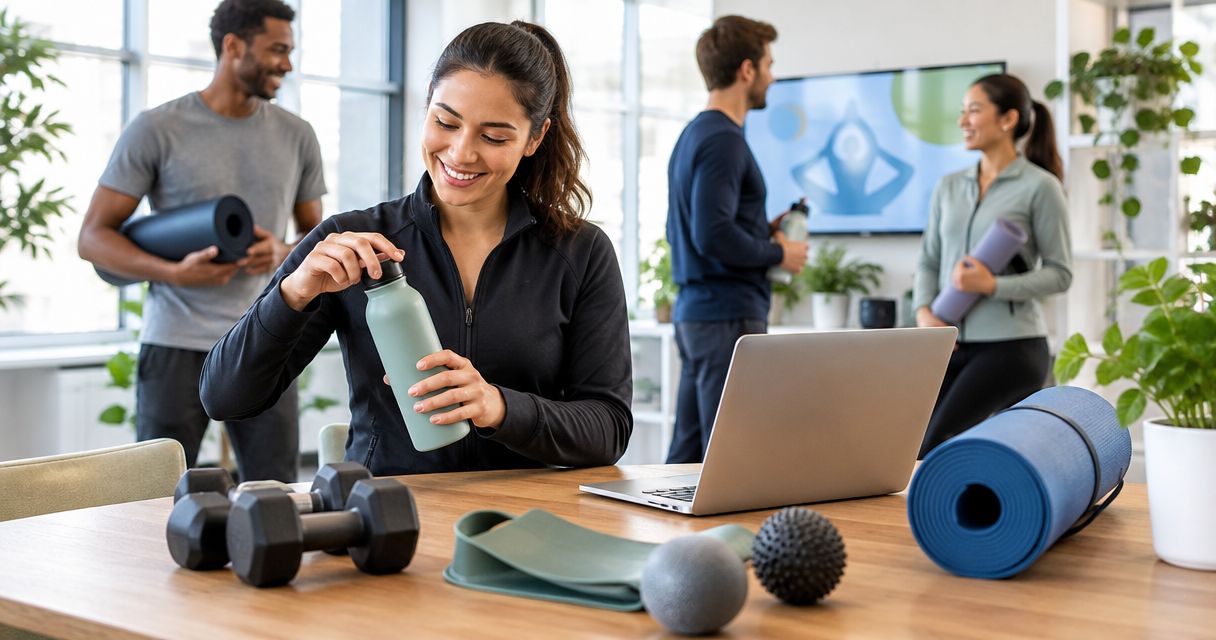
Corporate organisers must account for meeting schedules, work clothing, remote employees and people who do not identify as fitness enthusiasts. Start with the space: the exercise mats for small spaces in Singapore guide gives you a category to assess when planning floor-based activities. Check the intended exercise use of any shortlisted mat rather than treating every relaxation mat as workout equipment.
For your 2026 programme, separate the desired behaviour from the purchase. If the objective is taking a movement break, an equipment-free activity is a valid starting point. If the objective is practising skipping, a rope has a defined role. Buy for that role.
A successful procurement brief also distinguishes individual ownership from shared equipment. Personal gear needs distribution instructions; shared gear needs storage, inspection and cleaning arrangements. Those responsibilities belong in the plan before you place an order.
Build your corporate wellness accessory plan
Define employee needs
Start manually with a short, optional preference survey. Ask what employees want to do, where they would participate and whether they prefer an organised session or independent use. Do not ask managers to collect medical histories or rank employees by fitness.
Group responses by activity preference, not by assumptions about age, gender or job title. An experienced gym-goer and a complete beginner can work in the same department while needing different activities. A desk-based role does not automatically imply interest in stretching, either.
Use the responses to write a one-sentence brief: the audience, activity and setting. Keep it specific enough to reject unsuitable equipment. For example, an opt-in indoor movement break calls for different tools from an outdoor skipping group.
Approve the activity brief before approving accessories. That keeps your shopping list tied to participation rather than novelty.
- Ask employees to select preferred activities and an equipment-free alternative.
- Record whether participation would happen onsite, at home or elsewhere.
- Ask about practical barriers such as clothing, space and session timing.
- Offer a private route for requesting activity adjustments.
- Document whether accessories will be personal or shared.
Map the activity space
Inspect the actual activity location before comparing products. A meeting room that looks spacious with chairs stacked away can become unsuitable once people, bags and furniture return. Check the intended setup, not an empty-room photograph.
Create separate zones for standing movement, floor activities and equipment storage. Rope work needs a clear movement area; it does not belong beside occupied desks or through-routes. Self-massage activities need a stable place to sit or stand without interrupting colleagues.
For remote participation, ask employees to check their own surroundings rather than assuming every home has workout space. Offer a standing or seated alternative to floor-based sessions. The programme should not require employees to rearrange their homes.
Write a simple room checklist and have the session organiser review it before use. Assign responsibility for returning the room to its normal function, too. Equipment left in walkways is a facilities problem, not a wellness benefit.
- Remove obstacles from the planned movement area.
- Keep exits and regular walking routes clear.
- Check the floor surface against the planned activity.
- Agree storage arrangements with the facilities team.
- Provide a space-light alternative for remote employees.
Match accessories to activities
Use equipment you already have, or demonstrate an equipment-free version first. Then select accessories that serve the approved activity. Start with a single category for each activity rather than giving everyone an identical mixed kit.
Sweatjoy sells fitness gear and workout accessories, including weighted jump ropes, weighted leg sandbags and yoga massage sticks. These categories provide a shortlist once you know what employees want to practise; they are not prerequisites for starting a programme.
Sweatjoy fitness accessories are best suited to gym-going employees, not a substitute for a managed corporate wellness programme. Keep the distinction clear in your 2026 purchasing brief: the store supplies gear, while your organisation remains responsible for the activity plan.
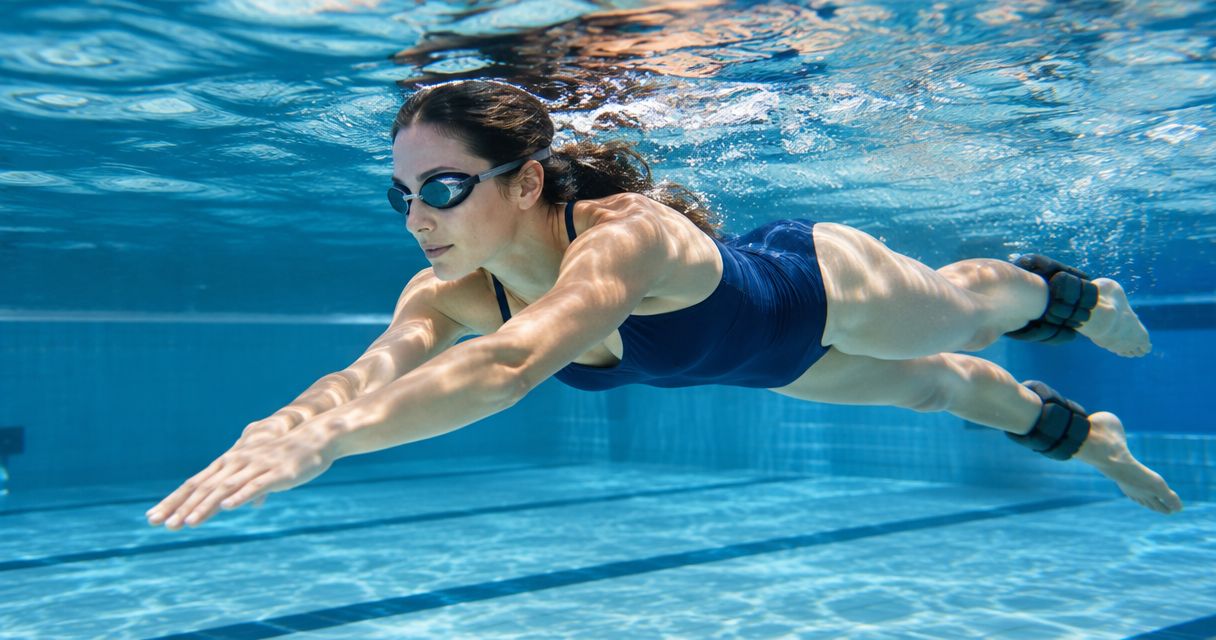
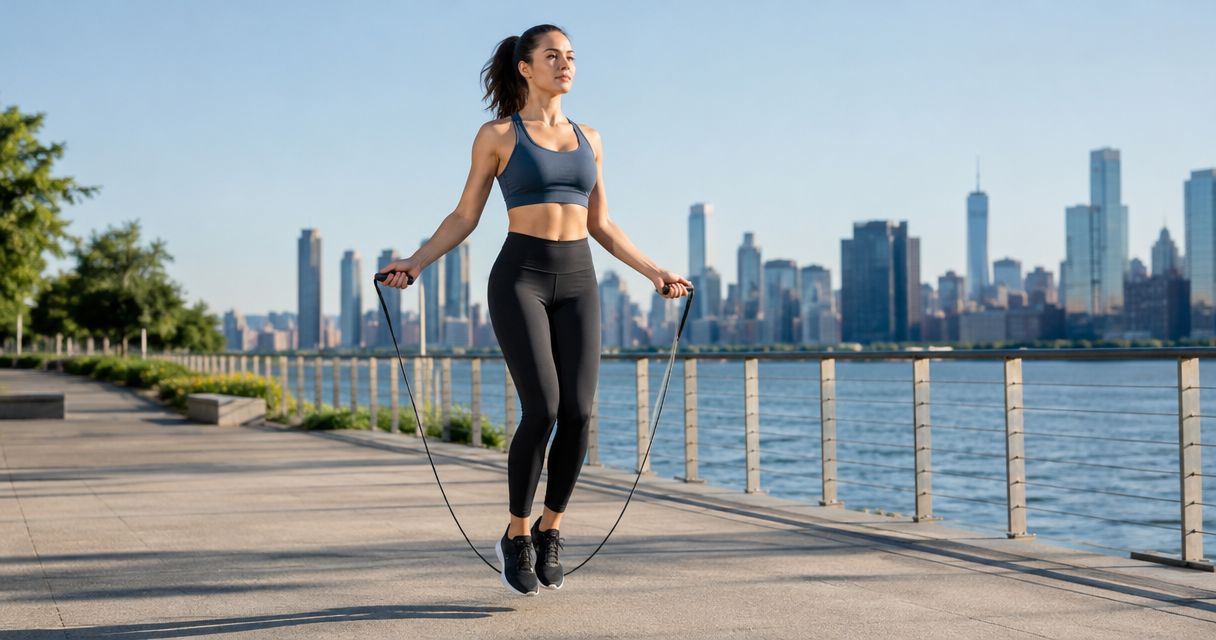
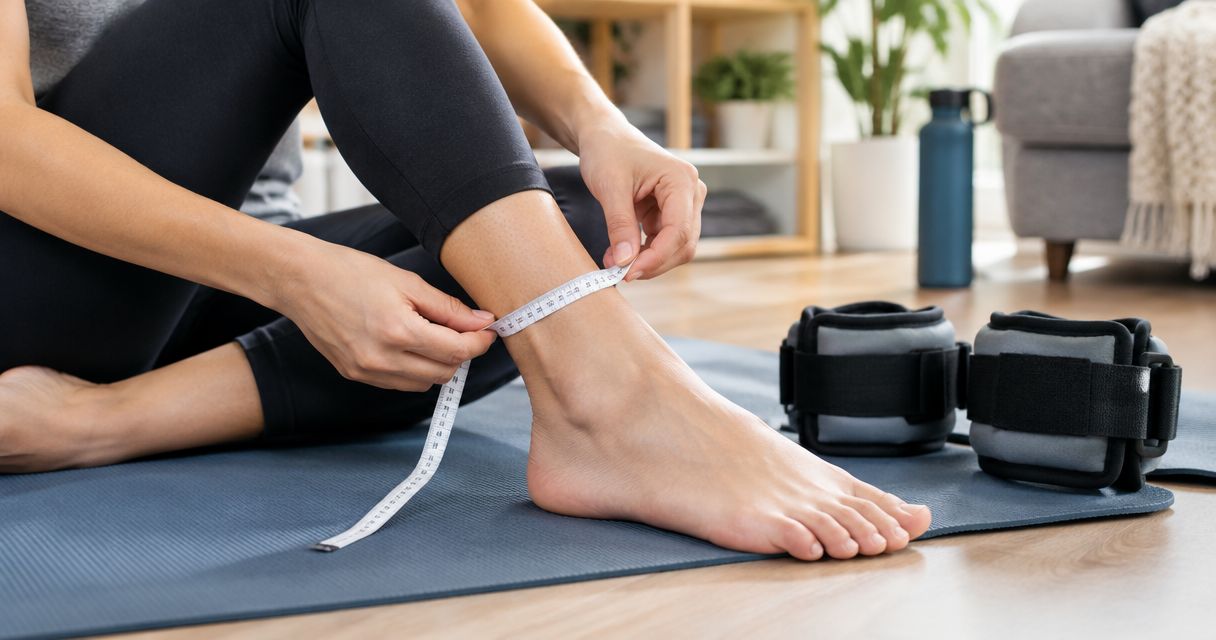
A weighted rope belongs in an optional skipping activity. Weighted leg sandbags belong in a planned training activity with appropriate guidance. A massage stick belongs in optional self-massage, not a promise to treat workplace pain. Product names describe the items; they do not establish medical outcomes.
- Choose a category only after identifying its intended activity.
- Keep weighted training separate from general movement breaks.
- Confirm product instructions before planning a demonstration.
- Let employees choose an equipment-free alternative.
- Avoid body-shaping or weight-loss messages in programme communications.
Prepare safe participation
Create a plain-language session brief before distributing equipment. Explain what the activity involves, how employees can opt out and who handles questions. Participation should not require a public explanation of someone's health or personal circumstances.
Use an appropriately qualified instructor for unfamiliar exercises or weighted training. Product instructions explain equipment use; they do not replace an assessment of whether an exercise suits a particular participant. Employees with pain, injuries or relevant health concerns should seek individual professional advice.
Keep demonstrations separate from challenges. Learning to handle a rope or attach weighted equipment is not the moment to introduce speed targets or competitive scoring. Offer an unweighted or equipment-free route from the start.
Your 2026 launch message should describe participation choices, not promise better posture, reduced stress or injury prevention from a purchase. Give employees a clear way to report equipment concerns without having to raise them in a group session.
- Make participation voluntary and explain how to stop an activity.
- Demonstrate setup using the manufacturer's instructions.
- Inspect shared accessories before each session.
- Establish cleaning arrangements that follow product care guidance.
- Provide an incident-reporting contact and follow workplace procedures.
Run a small pilot
Test the activity before distributing accessories across the organisation. Use a sign-up sheet and a simple feedback form; you do not need programme software to learn whether the timing, location and equipment work for participants.
As a practical starting plan, run a 4-week pilot with 1 scheduled session per week and a 10-minute activity window. These are proposed planning parameters, not performance benchmarks. Adjust the format to the activity and instructor's advice rather than squeezing every exercise into the same slot.
For the pilot, separate the decisions into three stages: test the activity, gather feedback and review the kit. Ask about setup effort and willingness to return. A popular launch event does not establish that the activity fits a normal workday.
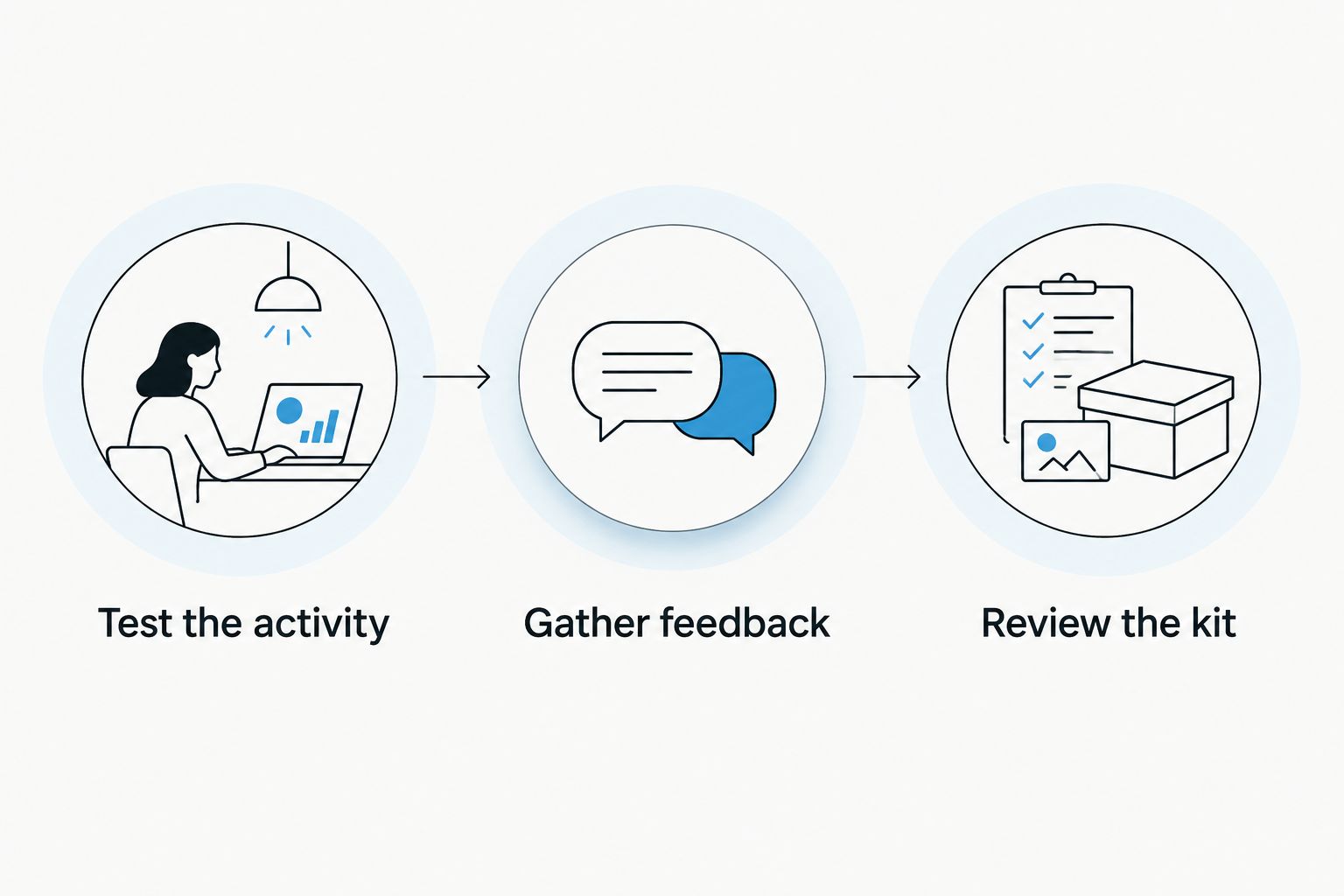
Keep the pilot narrow enough to identify what needs changing. If you introduce several unrelated accessories at once, feedback becomes harder to connect to a specific activity. Record changes between sessions so that your final purchasing decision reflects the version employees actually tried.
- Invite volunteers rather than assigning participation.
- Test a single activity format before adding categories.
- Record attendance without publishing individual performance.
- Ask whether setup and storage were straightforward.
- Review feedback before committing to wider distribution.
Measure use and maintain the kit
Maintain a basic equipment register in a spreadsheet. Record the item, intended use, storage location and person responsible for checks. For personal kits, document distribution without turning ownership into a participation obligation.
Measure what helps you improve the programme: attendance, repeat attendance, activity preferences and reported equipment problems. Keep engagement feedback separate from confidential health information. Public leaderboards are unnecessary for deciding whether a session deserves another slot.
For your 2026 review, compare the activities employees return to with those that attract only initial curiosity. Ask nonparticipants about practical barriers without pressuring them to join. A different time or equipment-free format is a meaningful programme change.
Expand activities with repeat use; reconsider accessories that remain unused. Do not interpret a full storage cupboard as employee failure. Check whether the activity, instructions or access arrangements need changing first.
- Log inspection and cleaning responsibilities for shared equipment.
- Track repeat participation alongside initial attendance.
- Record faults and remove unsuitable items from use.
- Review whether remote employees have an equivalent activity choice.
- Revisit the equipment list when the activity format changes.
Compare accessory options for your programme
Choose by activity fit, not by a universal winner. The options below serve different participants and need different arrangements. Sweatjoy's listed products supply possible equipment choices; the limitations describe what your corporate programme still needs to provide.
| Option | Best for | Main advantage | Key limitation | Setup requirement |
|---|---|---|---|---|
| Equipment-free movement break | Teams testing interest before procurement | No accessory distribution or storage | Does not provide equipment-based training | A clear activity plan and participation alternatives |
| Smart Weighted Jump Rope with Electronic Counter | Employees choosing a skipping activity | Provides a weighted rope with an electronic counter | Skipping is not an appropriate default for every participant | Clear movement space and a demonstration |
| Weighted Leg Sandbags for Dance & Training (Unisex) | Employees choosing guided weighted training | Provides wearable training weights | Added load needs individual suitability checks | Product setup instructions and exercise guidance |
| Yoga Silicone Massage Stick for Muscle Relaxation | Employees choosing optional self-massage | Provides a handheld massage accessory | Does not replace assessment or treatment of pain | Use instructions and personal or shared-care arrangements |
The table separates activity types, not fitness levels. Do not describe self-massage as the mandatory beginner option or weighted training as a reward for advanced employees. Let participants choose within the activities your programme can support.
Before ordering, check the current product details and instructions. Sweatjoy is an equipment source; do not assume corporate onboarding, instructor provision or workplace programme management comes with an accessory purchase.


Common mistakes corporate wellness teams make
Buying identical kits for everyone
A standard kit simplifies distribution but ignores different interests, activity spaces and experience. Ask employees to choose from supported activities instead. Keep an equipment-free route so participation does not depend on accepting or storing gear.
Treating counters as employee scoreboards
An electronic counter is an equipment feature, not a reason to publish employee rankings. Avoid making repetition counts a measure of commitment or workplace performance. Use private activity feedback to improve the programme, and let employees keep personal exercise records to themselves.
Planning activities around an empty room
A room inspection means little if the activity takes place while desks, chairs and colleagues occupy the space. Assess the normal session setup. Confirm who clears the area, who restores it and whether the activity interrupts neighbouring work.
Using product claims as programme outcomes
A name mentioning muscle relaxation or training does not prove your programme reduces pain, improves productivity or changes body composition. Describe the activity you provide. Do not promise outcomes that you have not established, and do not use wellness communications to pressure employees about appearance.
Forgetting the second session
Launch-day enthusiasm does not answer whether employees can participate during an ordinary week. Publish the recurring schedule, provide instructions and make equipment accessible. Evaluate return participation before adding more accessories to the programme.
FAQ
What are the best fitness accessories for corporate wellness programs?
The best fitness accessories for corporate wellness programs are those matched to an approved activity and employee preferences. Weighted ropes, leg sandbags and massage sticks serve different purposes; none is a universal employee kit.
Can we start a corporate wellness programme without equipment?
Yes, you can start with voluntary equipment-free movement activities. Use employee feedback and a small pilot to decide whether accessories would support an activity people want to repeat.
Are weighted jump ropes suitable for every employee?
No, weighted jump ropes should be an optional activity choice rather than the default for every employee. Provide instruction, clear movement space and an equipment-free alternative.
Should employees share wellness accessories?
Shared accessories require defined storage, inspection and cleaning arrangements. Individual ownership is another option, but distributing equipment does not obligate employees to participate.
How do we include remote employees in a wellness programme?
Include remote employees by offering activities that do not require access to an office room or shared kit. Ask about their available space and provide standing, seated or equipment-free alternatives where appropriate.
Is Sweatjoy a corporate wellness programme provider?
Sweatjoy is an online store selling fitness training gear and accessories. Keep activity planning, instruction and workplace programme management separate from the equipment purchase.
How should we measure whether wellness accessories are being used?
Track repeat participation, employee feedback and equipment issues rather than purchases alone. Keep health information private and avoid public rankings of individual fitness performance.
One last thing
Make your next purchase conditional on a named activity owner. Before approving an accessory, identify who will explain its use, arrange access and handle equipment concerns. If nobody owns those responsibilities, resolve the programme setup first.
For 2026, that is the practical buying rule: a clear activity, willing participants and someone accountable for the kit. Train with purpose. Buy only what the programme can support.