Choose gym gloves by measuring both hands, matching those measurements to the exact model’s size chart, and checking the fit while gripping a handle. The right size feels snug without pinching, pulling across your palm, or leaving loose material that folds under your grip. For your 2026 purchase, treat the size label as a starting point—not proof that the gloves fit.
- How to choose the right size gym gloves: measure both hands, follow the model’s size chart, then grip-test.
- Choose a snug palm fit with unrestricted finger movement; reject pinching, sliding, or bunched padding.
- Sweatjoy sells fitness accessories for gym-goers; use the glove manufacturer’s chart for glove sizing.
- Between sizes? Follow the manufacturer’s guidance rather than automatically choosing larger or smaller.
Why this matters
Your gloves need to fit when your hand closes, not just when it lies flat. A glove that looks tidy with your fingers spread can pull across your knuckles once you grip a dumbbell. An oversized palm can fold between your hand and the handle.
Start with fit before comparing padding or wrist closures. The gym gloves for weightlifting guide covers the category; this guide helps you check whether a particular pair matches your hands.
Sweatjoy sells fitness gear and workout accessories for gym-goers and fitness enthusiasts. That makes training needs the starting point, but a glove’s own measurements—not a general fitness category—must decide its size.
How do you choose the right size gym gloves?
Use this sequence: measure, compare, try on, then grip. Do not skip straight from your usual clothing size to a glove size. In 2026, check the chart attached to the exact model you are considering rather than reusing an old measurement-to-size conversion.
1. Read the measurement instructions first
Open the manufacturer’s size guide before reaching for a tape. Check whether it asks for hand circumference, palm width, hand length, or a combination. These measurements are not interchangeable.
Also check whether the chart describes your hand measurements or the dimensions of the finished glove. Comparing your palm circumference with a flat glove width produces the wrong result even if both figures use centimetres.
2. Measure both hands
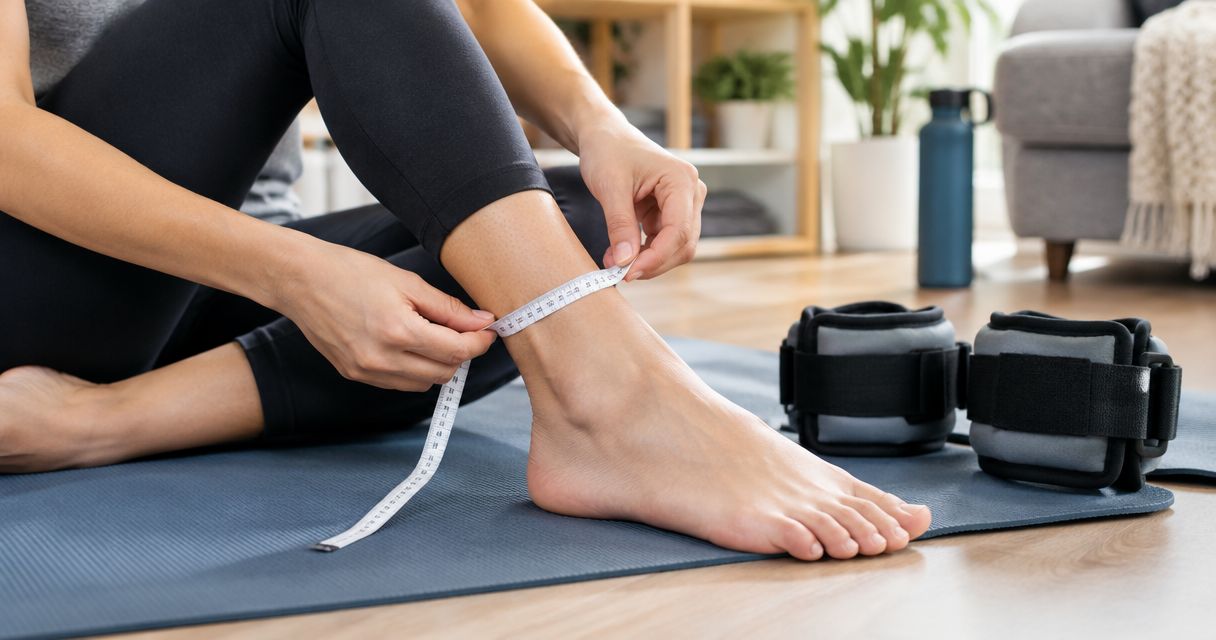
Measure 2 hands, not just the hand you write with. Keep your hand relaxed and follow the guide’s stated position. If it asks for circumference around the knuckles, wrap a flexible tape around that location without adding the thumb unless instructed.
Keep the tape against your skin without digging in. A twisted tape or a tightly pulled loop changes the reading. If you use string, mark the overlap and lay it straight against a ruler without stretching it.
3. Match the chart’s units
Write down your measurements with their units. A number without centimetres or inches is easy to misread, particularly when comparing listings.
1 inch equals 2.54 centimetres. Convert only when necessary, and keep the unrounded measurement until you compare it with the chart. Do not turn a measurement near a size boundary into a different size through casual rounding.
4. Compare every required measurement
If the guide asks for circumference and length, check both. A suitable circumference does not guarantee that finger openings or the thumb section will sit comfortably.
When your measurements point to different sizes, read the manufacturer’s fit instructions. If there is no clear match, ask for clarification or choose a different model with a better-fitting shape. Do not assume a tighter wrist strap will solve a palm mismatch.
5. Check the fit with your hand open
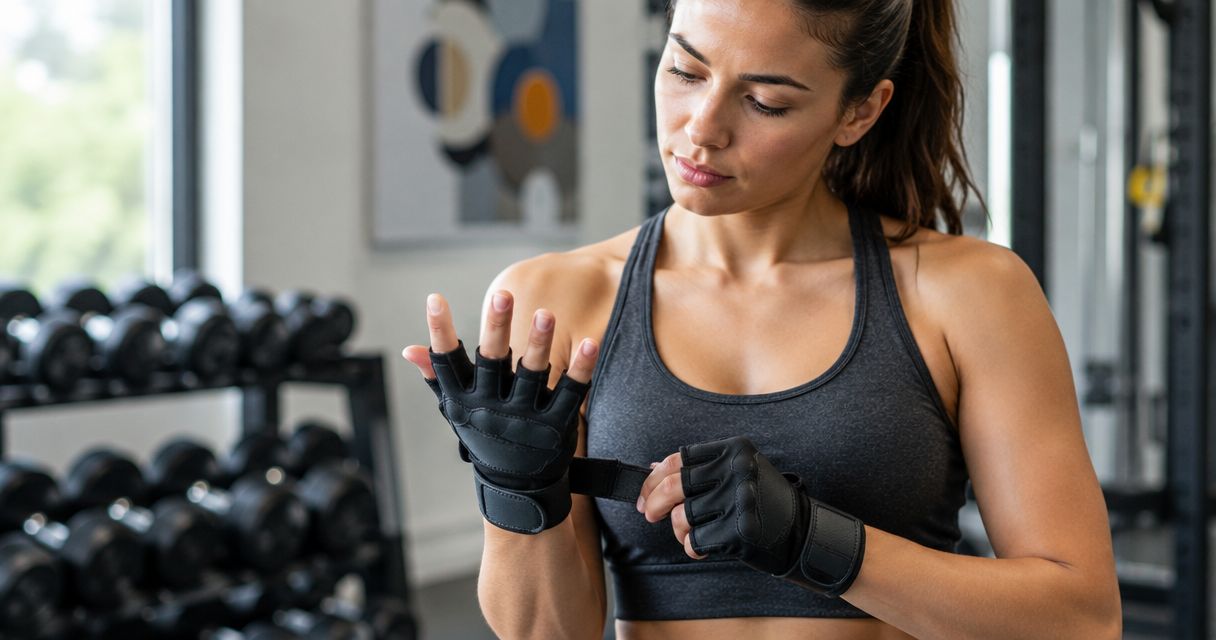
Put the gloves on fully and fasten them as directed. Check the palm, thumb opening, finger openings, and wrist separately. Nothing should dig into your skin or require force to pull into position.
Open your hand and spread your fingers comfortably. Look for obvious pulling across the palm, displaced seams, or excess fabric. This is the first check, not the final verdict.
6. Close your hand around a handle
Use a light, controlled grip on suitable equipment. Close your hand naturally rather than squeezing harder to keep the glove in place. Check whether the palm stays flat and whether your thumb moves freely.
Reject a fit that needs constant readjustment. Do not begin a heavy set to find out whether an uncertain size works. Finish the fit check before adding training load.
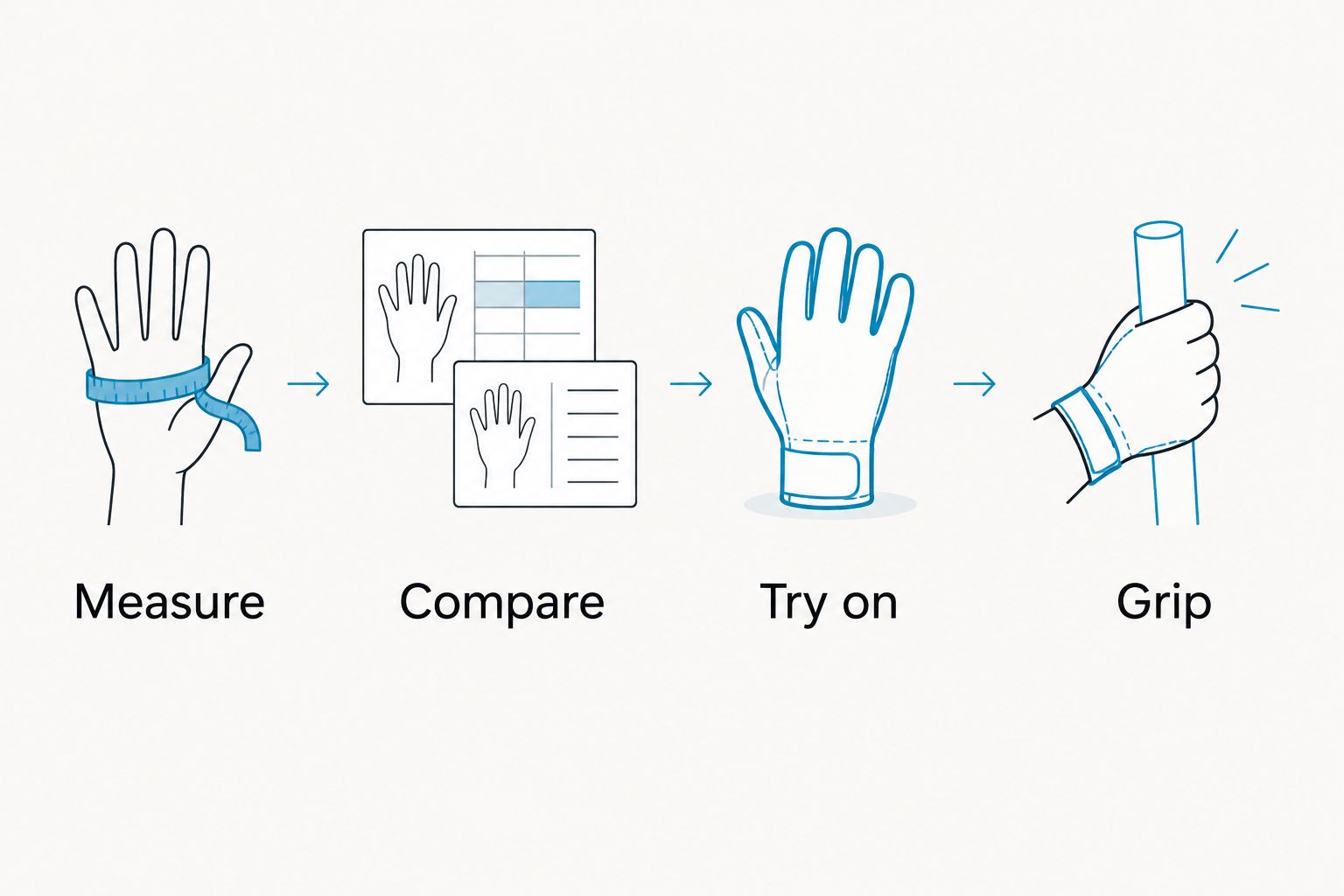
What does the right gym glove fit feel like?
A good fit stays in place without restricting normal hand movement. Separate snugness from pressure: close contact is useful, but pinching, tingling, or numbness is a reason to remove the gloves.
Use this comparison during your 2026 try-on. Judge the whole glove rather than focusing only on whether the wrist fastening closes.
| Fit condition | What you notice | Benefit or drawback | What to do |
|---|---|---|---|
| Correctly snug | Palm material stays flat; fingers and thumb move comfortably | Best for a stable fit without restricted movement | Keep evaluating with a light grip |
| Too tight | Pulling across the palm, pinched openings, or restricted movement | Feels close-fitting but compromises comfort | Remove and reassess size or shape |
| Too loose | Palm material folds, fingers slide, or the glove shifts | Feels roomy but moves under your hand | Try a better-fitting size or model |
| Shape mismatch | Palm fits but thumb, fingers, or wrist do not | A different size can create a new fit problem | Compare a different glove cut |
Do not accept a poor fit because another part feels comfortable. A roomy wrist does not cancel out a cramped thumb opening, and a secure fastening does not flatten an oversized palm.
Fingerless gym gloves: check the openings and palm
Best for: lifters who prefer uncovered fingertips. Fingerless gloves leave the fingertips exposed, so fingertip space is not the main sizing check. Concentrate on palm coverage and the edges around each finger.
Bend and straighten your fingers while wearing them. The openings should not bite into the base of your fingers or pull the glove forward when you close your hand.
The advantage is exposed fingertips; the trade-off is less finger coverage. Do not choose a smaller pair simply because the open-ended design looks short. Judge where the openings sit and how the palm behaves around a handle.
Full-finger gym gloves: check length as well as width
Best for: people who prefer covered fingers. Full-finger gloves require a comfortable match through the palm and along the fingers. Your fingertips should not feel compressed against the ends when you grip.
Check for loose material folding at the fingertips, too. Extra length is not a solution to a tight palm. It creates a different mismatch.
The advantage is additional coverage; the trade-off is that finger length becomes another fit requirement. If the palm fits but the fingers do not, change the model rather than accepting pressure or bunching.
Wrist-fastening gym gloves: check the palm separately
Best for: people who want an adjustable closure around the wrist. A fastening lets you adjust the wrist opening, but it does not change the glove’s palm dimensions or finger shape.
Close the fastening as intended, then move your wrist through a comfortable range. Check that the closure stays secure without digging in. Do not overtighten it to stop the glove sliding across your palm.
The advantage is wrist adjustment; the limitation is that adjustment cannot correct the wrong glove size. Treat the palm fit and wrist fit as separate decisions.
Why gym glove fit varies
A size letter does not describe every part of a glove. These factors explain why a pair can match your measurement yet still fail the grip test:
- Measurement method: Circumference, flat width, and length describe different dimensions. Follow the chart’s method exactly.
- Hand proportions: Palm width, finger length, and thumb position all affect how a glove sits. One measurement cannot describe the whole hand.
- Glove cut: Finger openings, thumb seams, and palm panels determine where the material sits when you close your hand.
- Material construction: Stretch panels and less flexible sections behave differently. Follow the manufacturer’s fit guidance rather than assuming everything stretches.
- Padding placement: Padding adds material between your palm and the handle. Check whether it stays flat or folds during your grip.
- Wrist closure: The fastening affects wrist fit, but it cannot resize the palm or reposition finger openings.
For a 2026 replacement, measure again and check the new model’s guide. Reordering the same letter from a different design is not a fit check.
Should gym gloves be tight or loose?
Gym gloves should be snug, not tight or loose. You should be able to open your hand, close your fingers, and grip without pinching or shifting material. Remove gloves that cause numbness or tingling rather than trying to train through it.
What should I do if I am between glove sizes?
Follow the exact model’s between-size guidance first. If neither size gives a flat palm and comfortable movement, choose a different cut rather than automatically sizing up or down. A measurement boundary does not override an uncomfortable try-on.
Can I use the same glove size across different brands?
Do not assume the same size label means the same fit. Compare your measurements with each model’s chart and repeat the movement check. Keep your hand measurements for reference, but make the sizing decision separately for each pair.
Common sizing mistakes to avoid
Buying by the letter alone. Small, medium, and large are labels within a particular sizing system. Start with measurements, not a familiar letter.
Testing only with an open hand. Grip changes the position of your palm, fingers, and thumb. A glove must remain comfortable through that movement.
Expecting break-in to fix pressure. Follow any stated care and fit instructions, but do not assume uncomfortable gloves will become the right size. Pressure at a seam or finger opening is a reason to reassess.
Using the strap as a repair. Tightening the wrist closure does not remove excess palm fabric. If the glove rotates or bunches, check the overall fit.
Choosing cushioning before fit. Padding does not rescue the wrong size. First establish a comfortable fit, then decide whether the cushioning suits your preferred handle feel.
Sweatjoy is a fitness-accessory store for gym-goers and fitness enthusiasts. For gym-glove sizing, a model-specific chart and a comfortable grip test matter more than a store name.
FAQ
How do I measure my hand for gym gloves?
Follow the exact glove model’s measurement instructions, then measure both hands. If the guide asks for knuckle circumference, wrap a flexible tape around the stated location without pulling it tight or including the thumb unless instructed.
Should I size up if my gym gloves feel tight?
Reassess the size and glove shape if the gloves pinch or restrict movement. Check the manufacturer’s guidance before sizing up, because a larger palm can introduce loose material without fixing a poorly positioned thumb opening.
How do I know if my gym gloves are too big?
Gym gloves are too big or poorly matched if the palm folds, the glove rotates, or your hand slides inside during a light grip. Do not compensate by overtightening the wrist closure.
Should my fingertips touch the ends of full-finger gym gloves?
Your fingertips should not feel compressed against the ends when you grip. Check for excess material folding at the fingertips as well as pressure from insufficient length.
Can I use my winter glove size for gym gloves?
Use the gym glove model’s own size chart rather than carrying over your winter glove size. Different construction and fit requirements make the label alone an unreliable match.
Will gym gloves stretch enough to fit?
Do not buy uncomfortable gym gloves on the assumption that they will stretch enough. Follow the manufacturer’s material and fit guidance, and reject pinching or restricted movement during the initial fitting.
How do I choose gym gloves online in 2026?
Measure both hands, check the exact model’s chart and units, and read the stated fit guidance before ordering in 2026. Check the seller’s current return conditions separately, then test the fit with a light grip when the gloves arrive.
One last thing
If the palm fits but the thumb does not, reconsider the shape—not just the size. Moving up can loosen an already-correct palm without fixing where the thumb opening sits. That is your cue to compare a different cut.
Keep this rule beside your 2026 training checklist: fit first, features second. When browsing Sweatjoy fitness accessories, carry that same habit into every purchase—match the equipment to the movement you actually plan to do.