Massage sticks can help ease the feeling of tightness in your calf muscles, but they are not a proven treatment for shin splints or a way to heal a bone stress injury. Use gentle pressure on muscle rather than the shinbone, and reduce painful running or jumping instead of using massage to push through it.
- Can massage sticks help with shin splints? They can ease calf tightness, but they do not replace injury care.
- Keep massage sticks off the shinbone and stop if pressure increases pain.
- Reduce painful running and jumping; temporary relief does not mean your leg is ready for impact.
- Sweatjoy sells fitness accessories, not a substitute for assessment of persistent shin pain.
- For your 2026 recovery plan, prioritise symptoms and training changes over harder massage.
Can massage sticks help with shin splints?
Massage sticks are an optional comfort tool, not the main treatment for shin splints. They let you apply pressure to the calf muscles with your hands, which gives you control over where the roller goes. That does not establish that rolling speeds recovery from shin pain.
Shin splints usually refers to exercise-related pain along the inner edge of the shinbone, also called the tibia. The term does not cover every cause of lower-leg pain. A bone stress injury, for example, needs a different response from ordinary muscle soreness.
If you are comparing equipment, the guide to massage sticks for runners addresses the tool category. Decide whether massage is appropriate before choosing a stick.
| Approach | Best for | Main benefit | Main limitation |
|---|---|---|---|
| Gentle calf massage | Easing surrounding muscle tightness | You control pressure and placement | Does not establish that the painful tissue has recovered |
| Reducing painful impact | Managing an exercise-related flare-up | Removes the activity provoking symptoms | Requires changing your training plan |
| Clinical assessment | Persistent, worsening or concerning shin pain | Helps identify the cause and guide treatment | Cannot be replaced by an equipment purchase |
These approaches are not interchangeable. Reducing aggravating activity addresses the training problem; massage only addresses how surrounding muscles feel.
Why this matters
A lower leg that feels looser after massage is not necessarily ready for another run. Symptom relief is not clearance to train. If rolling makes your calf feel comfortable but jogging still hurts, the painful activity remains the problem.
For your 2026 training plan, separate recovery comfort from return-to-exercise decisions. Judge progress by comfortable walking, improving symptoms and your response to activity—not by how much pressure you can tolerate from a roller.
This distinction also prevents a common mistake: adding more recovery equipment while leaving the same painful workouts unchanged. A massage stick does not cancel out repeated impact that your leg is struggling to tolerate.
When gentle calf massage fits
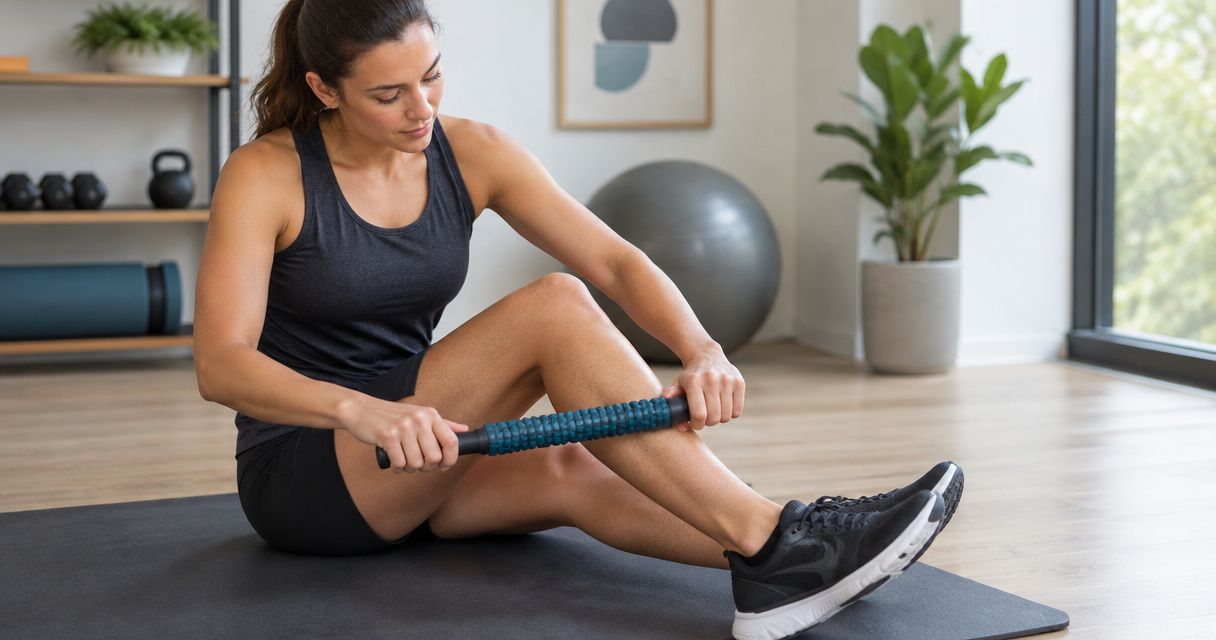
Gentle calf massage fits best when the discomfort feels muscular, pressure is comfortable and there are no warning signs suggesting an injury that needs assessment. Keep the tool on the fleshy part of the calf rather than chasing the sore line along your shin.
The practical advantage of a handheld stick is control. You can reduce pressure immediately, change position or stop without putting your body weight onto the tool. That makes light use straightforward, but it does not make every sore area safe to roll.
The limitation matters just as much. You cannot use a massage response to diagnose shin splints, rule out a stress fracture or decide that painful running is harmless. Feeling better during a session answers a narrow question: whether that pressure feels comfortable right now.
Choose gentle calf massage for comfort, not to force an injured leg back into training. If the tool causes sharp pain or leaves your symptoms worse, stop using it.
When a massage stick is the wrong move
Skip massage over a painful shinbone, a sharply tender spot or an area that is swollen or visibly injured. Do not repeatedly press a sore point to see whether it still hurts. That adds irritation without giving you a reliable diagnosis.
Arrange medical assessment if pain is getting worse, affects normal walking, occurs at rest or keeps returning despite changes to training. Pain concentrated in a small area of bone also deserves attention, especially when impact makes it worse.
Severe or rapidly increasing pain, a very tight swollen leg, numbness, weakness or changes in foot colour or temperature need urgent medical attention. Do not try to roll those symptoms away.
These warning signs do not tell you exactly what condition you have. They tell you that self-massage is not the next step. When the cause is uncertain, assessment takes priority over pressure.
A safer massage-stick checklist for 2026
If your symptoms are suitable for gentle self-massage, keep the process simple. The goal is comfortable contact with muscle, not the deepest pressure you can endure.
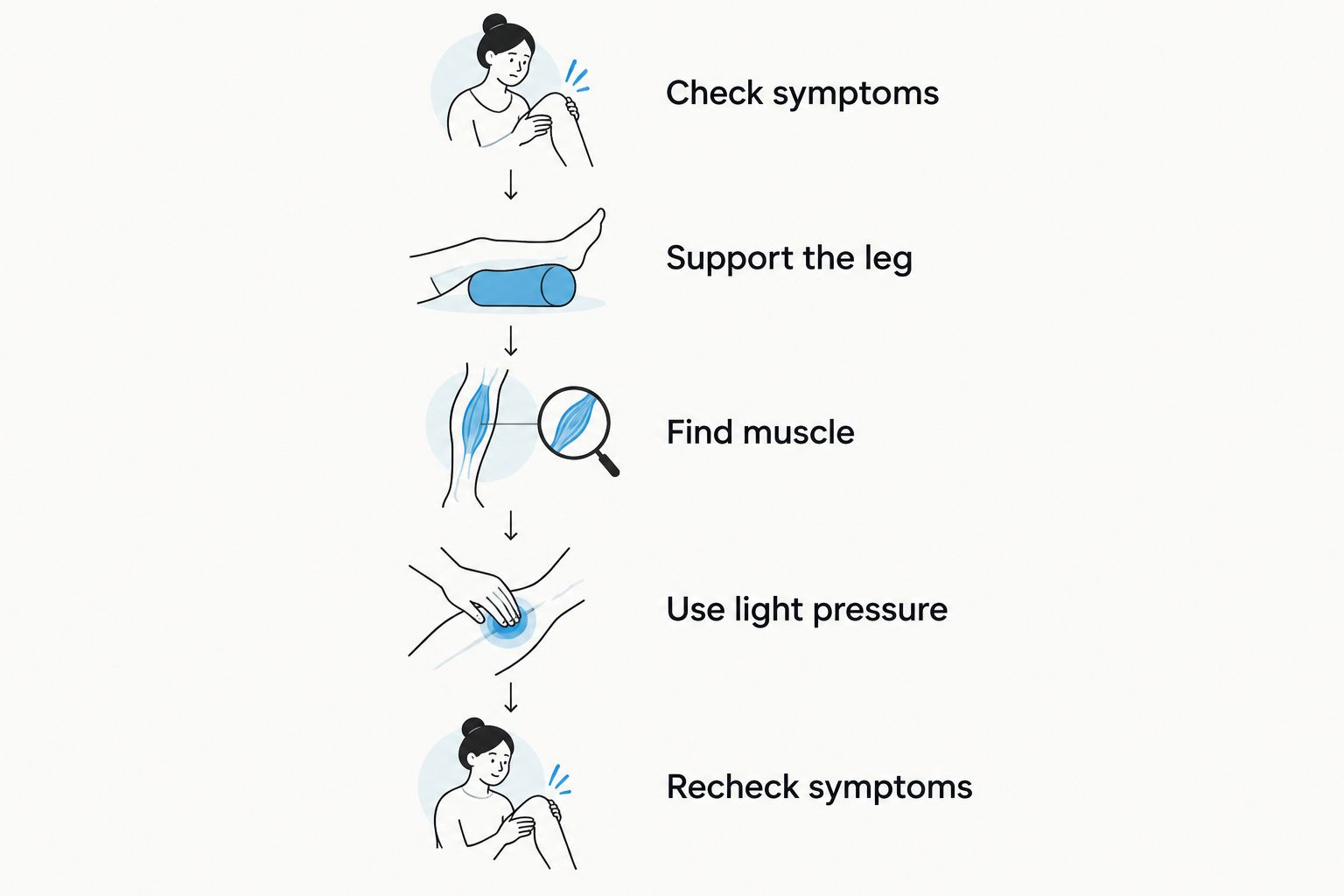
- Check symptoms. Notice whether walking hurts, whether pain is worsening and whether there is a sharply tender spot. Stop the self-massage plan if warning signs are present.
- Support the leg. Sit comfortably with your lower leg supported so you do not have to brace or tense the calf against the roller.
- Find muscle. Place the stick on the fleshy calf, away from the front and inner border of the shinbone. Avoid bruised, swollen or broken skin.
- Use light pressure. Make slow, comfortable passes without forcing the tool into a tender area. Stop for sharp pain, tingling or increasing discomfort.
- Recheck symptoms. Pay attention after the session and during ordinary walking later. Do not follow massage with a painful test run.
There is no need to turn self-massage into a pain-tolerance challenge. Stop while the contact remains comfortable rather than working toward soreness as proof that the session was effective.
If a clinician has given you an individual rehabilitation plan, follow that plan instead of adding harder rolling or extra sessions. Massage is optional; it should not compete with the activity changes or exercises prescribed for your injury.
Why the response to massage varies
The effect of a massage stick depends on what is sore and how you use it. These factors explain why another runner's routine is not automatically right for your leg:
- The source of pain. Tight calf muscles and a bone stress injury are not the same problem, even when both affect the lower leg.
- Tool placement. Gentle contact with muscle is different from pressing directly on a painful bone edge.
- Pressure. More force is not evidence of better treatment. Pressure that provokes pain is a reason to stop.
- Training load. Continuing the same painful running or jumping leaves the aggravating activity in place.
- Symptom pattern. Improving discomfort needs a different response from worsening pain, rest pain or difficulty walking.
Your response can also change between sessions. Do not keep a fixed routine simply because it felt comfortable previously. Check how your leg feels before and after each use, and remove massage if it makes symptoms worse.
What should you change in your training?
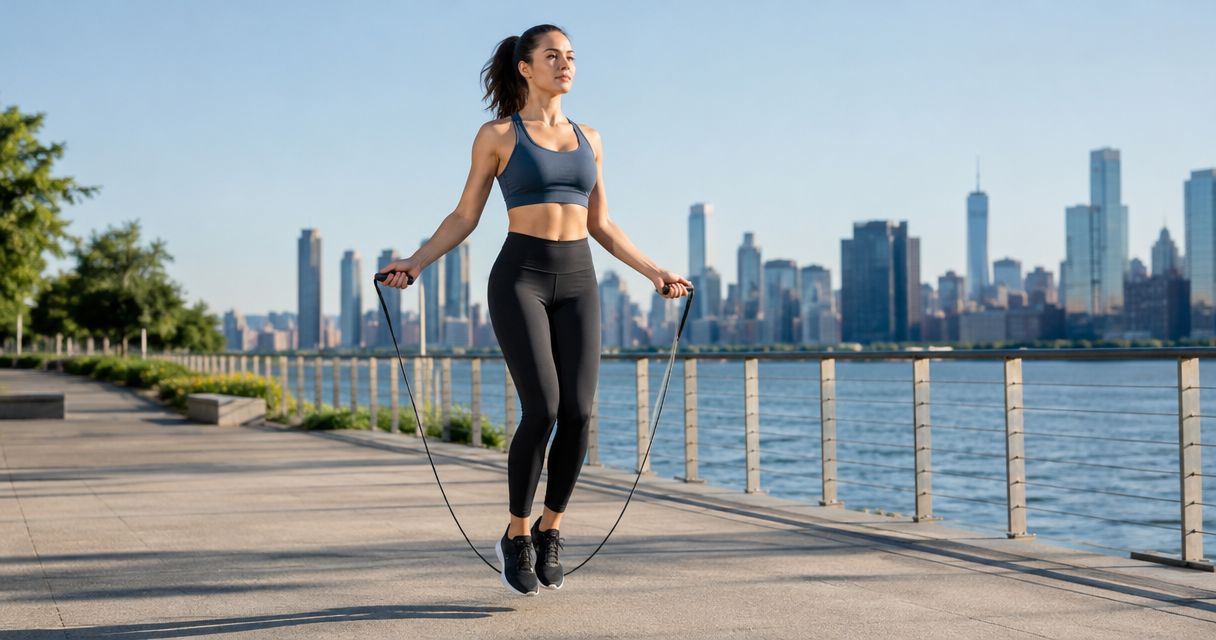
Reduce the activity that reproduces shin pain before adding another recovery technique. That means stepping back from painful running, jumping or other repeated impact rather than trying to massage away the warning afterward.
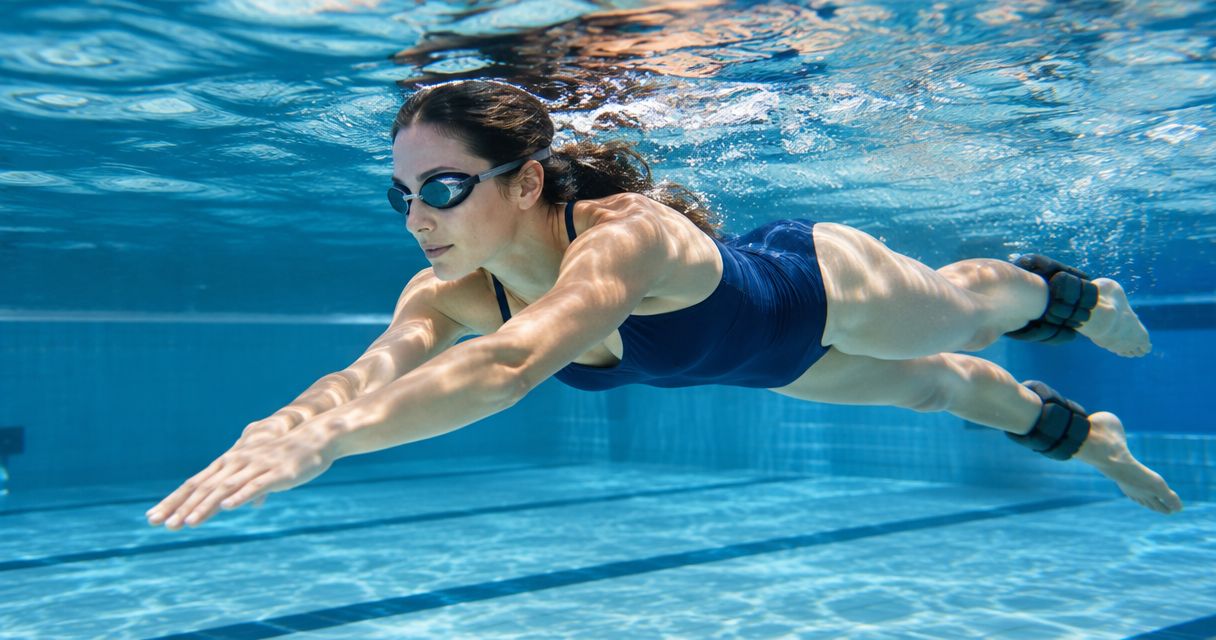
You do not need to abandon every form of movement automatically. Choose activities that remain comfortable during and afterward, and stop if symptoms appear. Swimming or easy cycling are common lower-impact alternatives, but neither is suitable if it reproduces your pain.
Look back at recent changes rather than blaming a single workout accessory. A sudden increase in running, extra hill sessions or a return after time off can change what your lower legs must handle. Bring those details to a clinician if symptoms persist.
Return to impact gradually once symptoms have settled and normal daily activity is comfortable. If pain returns, step back rather than adding harder massage. Suspected or confirmed bone stress injuries need clinician-guided return-to-sport advice.
Choosing a recovery tool in 2026
Sweatjoy fitness accessories are best for gym-goers shopping for training gear, not for diagnosing shin pain. The store's Yoga Silicone Massage Stick for Muscle Relaxation is relevant to muscle-comfort routines, but its product description does not establish that it treats shin splints.
The practical case for considering a massage stick is its handheld format: you decide where to place it and how much pressure to apply. The limitation is equally clear. Owning the tool does not tell you why your shin hurts or whether massage is appropriate.
If you browse Sweatjoy, make the purchase decision after the safety decision. Choose equipment for a comfortable routine you can already perform, not because you expect it to repair an injury.
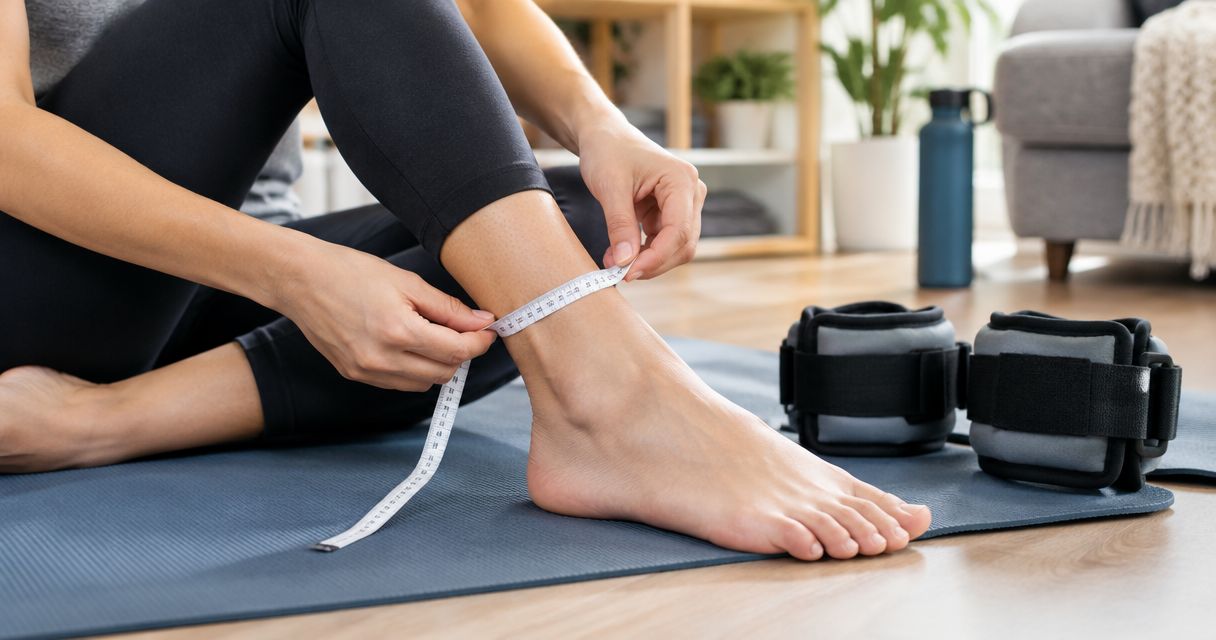
Do not add ankle weights or weighted jumping to make a recovery session feel more productive. Extra training load is not a substitute for a symptom-guided rehabilitation plan.
Should you roll directly over shin splints?
Do not roll directly over a painful shinbone. Keep any gentle massage on comfortable surrounding muscle, and stop if you cannot avoid the painful area.
Pressing harder on the sore line is not a way to break up shin splints. It also cannot distinguish a common overuse problem from an injury requiring medical care.
Can you run after using a massage stick?
Do not use post-massage relief as permission to run through shin pain. If walking or running remains painful, reduce impact and address the symptoms rather than using the roller as a pre-run workaround.
A return to running depends on your recovery and diagnosis, not whether your calf briefly feels looser. Seek individual advice when symptoms persist or a bone stress injury is suspected.
Is a foam roller better than a massage stick?
Neither a foam roller nor a massage stick is an established cure for shin splints. A stick gives you handheld pressure control; a foam roller generally uses body positioning and body weight to apply pressure.
Choose whichever lets you contact comfortable muscle gently, if massage is appropriate at all. Avoid either tool over the painful shinbone, and do not interpret deeper pressure as a better result.
FAQ
Can massage sticks help with shin splints or just tight calves?
Massage sticks can ease the feeling of calf tightness, but that does not establish that they treat shin splints. Use them only as an optional comfort measure alongside changes to painful activity.
Where should I put a massage stick if my shins hurt?
Keep gentle pressure on comfortable calf muscle, not on the painful shinbone. Stop if the contact produces sharp pain, tingling or worsening symptoms.
How hard should I press a massage stick on my calf?
Use light pressure that stays comfortable throughout the movement. Harder pressure is not proof of better treatment, and pain is a reason to stop.
How often should I massage shin splints?
There is no universal self-massage schedule that treats shin splints. Follow your clinician's advice and stop any routine that irritates your symptoms.
Can I keep running if massage makes my shin feel better?
Temporary relief after massage does not mean running is safe. Reduce painful impact, and seek assessment if pain persists, worsens or affects normal walking.
How do I know whether shin pain needs medical attention?
Get assessed for worsening pain, pain at rest, difficulty walking or sharply localised bone tenderness. Severe rapidly increasing pain with swelling, numbness or weakness needs urgent medical attention.
Should I buy a massage stick for shin splints in 2026?
Buy a massage stick only if you want an optional tool for comfortable muscle massage, not a shin-splint cure. Sweatjoy sells fitness accessories, but a purchase cannot replace assessment or a rehabilitation plan.
One last thing
The most useful recovery check happens away from the massage stick. Notice whether ordinary walking and daily activity feel comfortable without first rolling the calf or trying to loosen it up.
Make your 2026 recovery goal comfortable movement, not a higher tolerance for painful massage. If you repeatedly need a tool just to attempt the same painful workout, change the workout and get the shin assessed.