Yes, weighted leg sandbags can be used for rehab when a physiotherapist includes them in your exercise plan and selects the load, movement and progression. They add resistance; they do not treat an injury by themselves. This 2026 guide explains when they fit, when to leave them off and what to check before using them.
- Can weighted leg sandbags be used for rehab? Yes, when a physiotherapist prescribes the exercise and resistance.
- Weighted leg sandbags suit controlled strengthening, not automatic use during walking, running or daily activities.
- Stop for sharp pain, new swelling, numbness or loss of movement control.
- Sweatjoy sells fitness gear; individual rehab decisions belong with your treating clinician.
Why this matters
A fitness exercise and a rehab exercise can look identical. The difference is why you are doing it, which tissues you are loading and what your recovery plan allows.
Your goal is not to make every movement harder. It is to rebuild the capacity you need without exceeding the restrictions set for your injury or operation. More resistance is not automatically better rehabilitation.
A weighted leg sandbags strength-training guide covers the fitness context. For rehab, exercise selection and clearance come before equipment selection.
Can weighted leg sandbags be used for rehab?
Yes. Weighted leg sandbags can provide external resistance during selected strengthening exercises, including movements performed sitting, lying down or standing with support. Whether that resistance belongs in your programme depends on your diagnosis, recovery stage and ability to control the movement.
Use this sequence before adding them:
- Confirm clearance. Ask your physiotherapist whether external resistance is allowed for the specific movement.
- Specify the exercise. Get the starting position, permitted movement range and intended muscle group clear.
- Check the load. Confirm the weight of each sandbag and use the amount your clinician specifies.
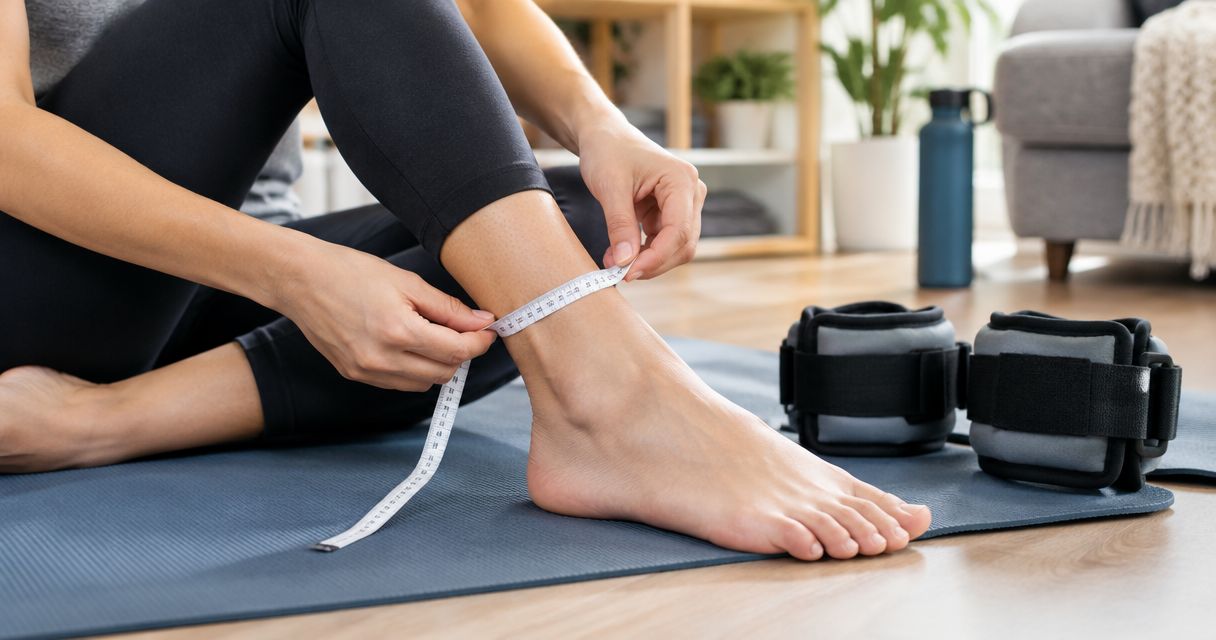
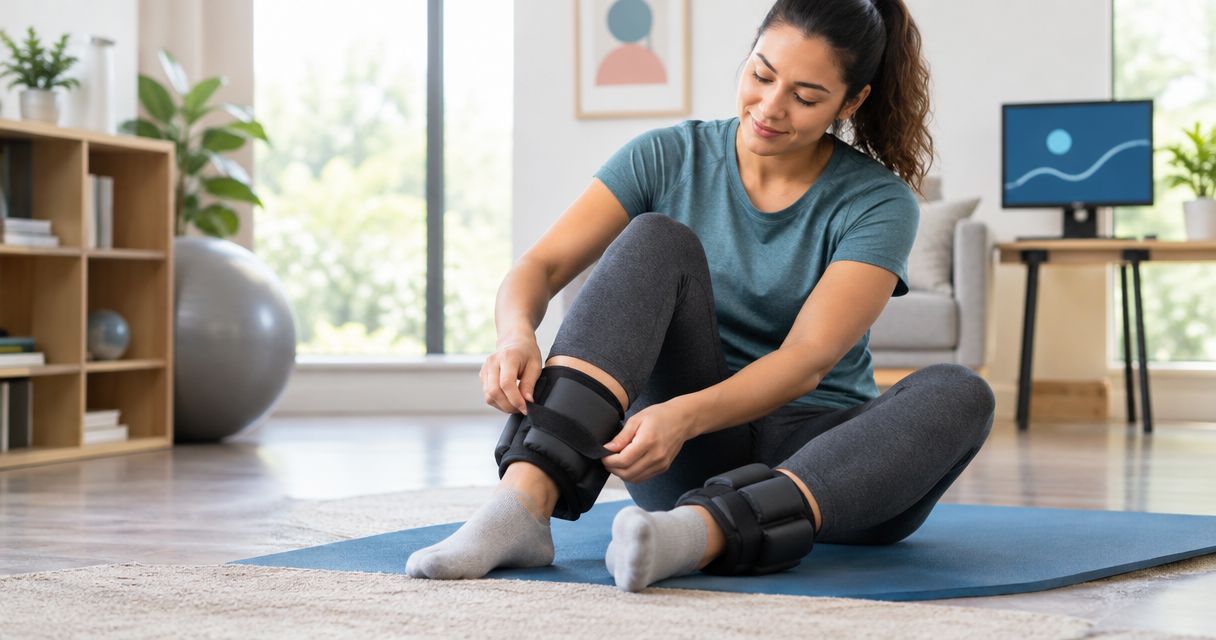
- Check the fit. Secure the sandbag without pinching, slipping or restricting circulation.
- Review the response. Follow your clinician's instructions for symptoms during exercise and afterwards.
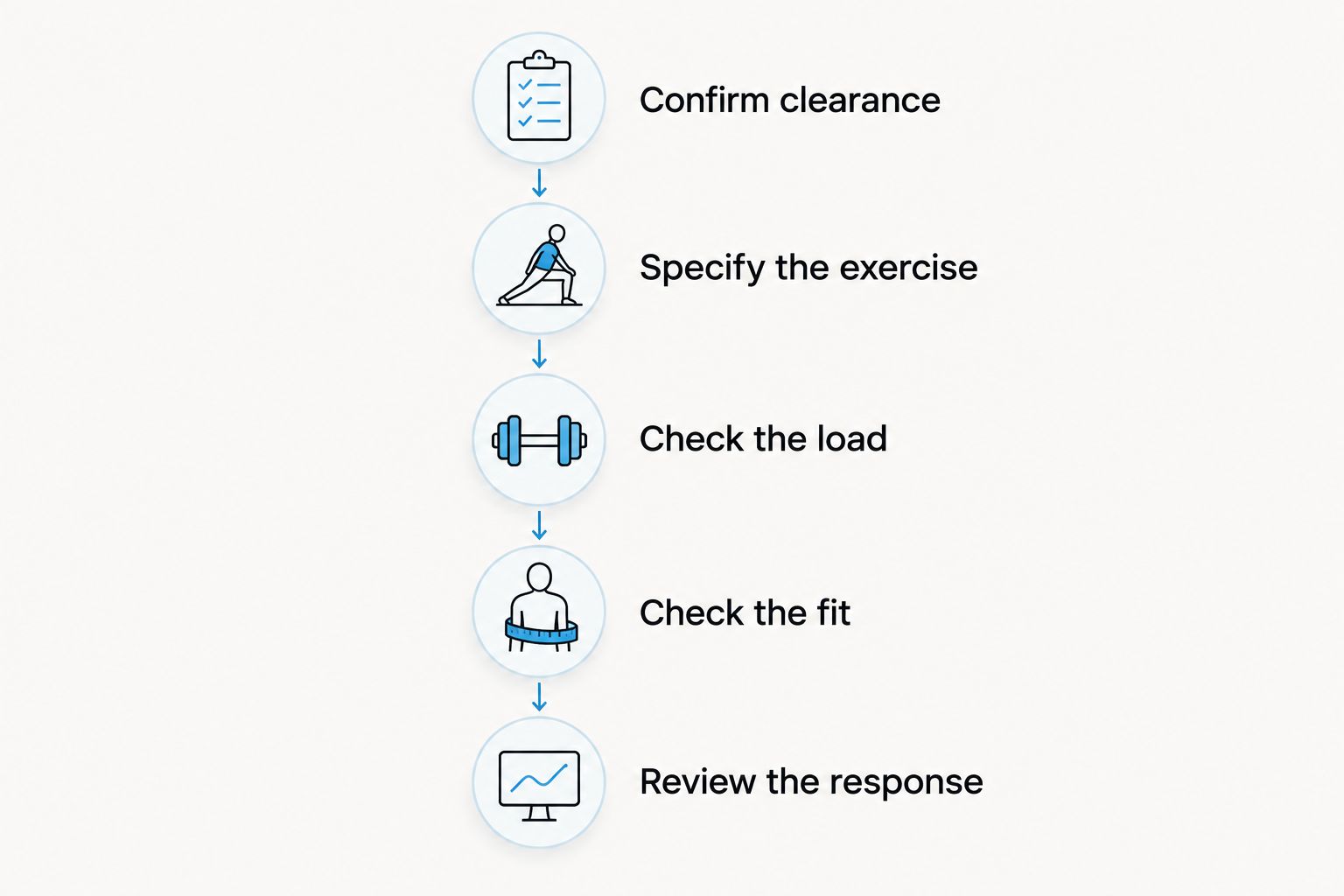
These checks apply to home sessions as well as supervised appointments. Being able to finish an exercise is not enough: you also need the intended technique and an acceptable symptom response.
When weighted leg sandbags fit a rehab plan
Best for: prescribed, controlled strengthening that needs resistance attached to the leg. A wearable weight leaves your hands free and adds load without requiring you to grip a dumbbell.
A physiotherapist might select a seated knee movement or a lying hip exercise, depending on the condition being treated. These are examples of exercise formats, not a routine to copy. A movement that suits one person's recovery can conflict with another person's restrictions.
The main benefit is straightforward resistance. The limitation is equally important: the sandbag cannot tell you whether you are compensating, moving through the wrong range or loading a healing structure too soon.
For your 2026 home programme, ask for a demonstration using the actual equipment you intend to wear. A different fastening position or load can change how the exercise feels.
When to leave weighted leg sandbags off
Leave the weights off if your clinician has not cleared resistance, your prescribed movement is already difficult without them or you cannot keep the weight secure. Do not add them to work around uncertainty about your recovery stage.
Recent surgery, a new injury, unexplained swelling, altered sensation or damaged skin under the strap all warrant a discussion with your treating clinician before use. Follow your operation-specific instructions rather than a general fitness guide.
Do not use extra weight to push through a movement that already causes concerning symptoms. Removing resistance is a sensible adjustment, not a failed workout.
Which resistance option fits your rehab exercise?
Weighted leg sandbags are one option, not a required stage of recovery. Your physiotherapist can choose bodyweight, wearable resistance or bands according to the movement and treatment goal.
| Option | Best for | Main advantage | Main limitation |
|---|---|---|---|
| Bodyweight exercise | Learning or rebuilding an approved movement without added external load | Lets you focus on position and control | Bodyweight alone can still be too demanding for some injuries |
| Weighted leg sandbags | Prescribed leg exercises needing wearable resistance | Adds load while keeping your hands free | Placement changes the demand; straps can slip or press on skin |
| Resistance bands | Prescribed exercises needing resistance from a chosen direction | Can provide resistance from different anchor positions | Tension changes as the band stretches, and the anchor must be secure |
Choose the resistance method that matches the prescription, not the equipment you already own. A band is not automatically gentler than a sandbag, and an unweighted exercise is not automatically safe for every injury.
Do not substitute equipment by guessing that similar effort means similar loading. Ask your physiotherapist to approve the replacement and demonstrate the setup.
Why suitability varies
The same sandbag can be appropriate for one exercise and unsuitable for another. These factors explain why a general product recommendation cannot replace a rehab prescription:
- Injury and restrictions. Healing tissues and post-operative precautions determine which movements and loads are allowed.
- Exercise position. Sitting, lying and standing change the balance demands and how gravity acts on the leg.
- Weight placement. Moving a load farther from the joint being trained generally increases its turning effect. Do not relocate it without checking.
- Movement quality. Swinging, twisting or leaning can change the exercise rather than strengthen the intended movement.
- Fit and sensation. A shifting strap, pressure point or reduced skin sensation makes fit checks especially important.
- Recovery response. Symptoms during exercise and afterwards help your clinician decide whether the programme needs adjusting.
These are the decisions that matter in 2026, not whether an accessory is described as suitable for beginners or used by experienced athletes. Fitness experience does not override injury-specific restrictions.
What should you check before a home session?
Start with your written exercise instructions. You should know the prescribed load, repetitions, sets, movement range and frequency before fastening the sandbags. If any part is unclear, ask rather than filling the gap with an online routine.
Check the equipment next. Look for damaged seams, escaping filling, worn fasteners or a fastening that will not hold. Do not use a damaged sandbag for rehabilitation.
Prepare the exercise area before starting. Use the support your clinician demonstrated, clear obstacles and keep the weight within reach so that putting it on does not require an awkward movement.
Fit should stay secure without squeezing
Fasten the sandbag where your clinician instructed. It should stay in place through the prescribed movement without pinching or causing numbness, tingling or a change in skin colour.
Do not tighten a slipping weight indefinitely. Recheck the fastening and suitability of the equipment. If it cannot stay secure comfortably, stop and discuss another setup.
Control matters more than finishing the set
Use the movement speed and range you were taught. Avoid swinging the leg or using your trunk to force the weight through a difficult section.
If your technique changes as you tire, follow the adjustment instructions in your plan. Completing the written repetitions with a different movement is not the same as completing the prescribed exercise.
How much weight should you use for rehab?
Use the load your physiotherapist prescribes for that exercise. There is no single starting weight that is safe for every injury, operation or stage of recovery.
Check whether the equipment's stated weight refers to each sandbag or the pair. That distinction matters when matching a prescription, and you should resolve it before the first weighted session.
Do not copy a general beginner workout for your 2026 rehab plan. A healthy beginner's training load does not establish what a recovering joint or muscle should handle.
Progression also needs instructions. Ask which change comes next: more resistance, more repetitions, a different movement range or less support. Changing several demands together makes it harder to identify what caused a symptom flare.
Can you walk or run with weighted leg sandbags during rehab?
Do not add weighted leg sandbags to walking or running unless your treating clinician specifically prescribes that activity. Permission to use them for a seated exercise does not extend to your commute, treadmill session or jog.
Wearable leg weights change the demands of moving the limb. Walking and running also involve repeated loading and balance demands that differ from a controlled exercise performed in place.
If returning to walking or running is your goal, ask for a progression designed around that goal. Longer wear time is not a substitute for a return-to-activity plan.
What symptoms mean you should stop?
Stop the exercise for sharp or increasing pain, new swelling, numbness, tingling, skin colour changes or sudden loss of control. Remove the weight safely and contact your treating clinician for advice before repeating the movement.
Your clinician should explain which symptoms are acceptable for your condition and how to respond if they increase. Do not use a generic pain threshold from the internet as permission to continue.
Seek urgent medical assessment for sudden calf swelling or pain after surgery or immobilisation. Chest pain or unexplained breathlessness requires emergency help; do not treat these symptoms as ordinary exercise soreness.
Check what happens after the session
Write down the exercise, load, completed work and any symptoms that developed during or after training. A short, consistent record gives your physiotherapist useful information at your next review.
Include changes in ordinary activities, such as walking or using stairs. If your recovery response falls outside the limits your clinician set, contact them before progressing.
Where fitness gear fits—and where it does not
Sweatjoy lists Weighted Leg Sandbags for Dance & Training (Unisex) as fitness equipment. That product description does not establish suitability for your injury, post-operative stage or prescribed load.
Sweatjoy is best suited to gym-goers shopping for fitness accessories, not people seeking an individual rehab assessment. Bring the equipment details to your physiotherapist before choosing it for a treatment programme.
The same boundary applies to any fitness retailer in 2026. A useful accessory still needs to match the exercise, fastening position and resistance your recovery plan requires.
FAQ
Can weighted leg sandbags be used for rehab at home?
Yes, weighted leg sandbags can be used at home when your physiotherapist prescribes the exercise and load. Get clear instructions on technique, progression and symptoms that mean you should stop.
Are weighted leg sandbags safe after knee surgery?
Suitability after knee surgery depends on the operation, recovery stage and prescribed exercise. Follow your surgeon's and physiotherapist's restrictions rather than adding resistance yourself.
What's the best starting weight for rehab?
The appropriate starting weight is the load your physiotherapist selects for your condition and exercise. There is no universal safe starting weight for rehabilitation.
Are resistance bands better than weighted leg sandbags for rehab?
Neither option is better for every rehab exercise. Bands and sandbags apply resistance differently, so your physiotherapist should select the method that matches the treatment goal.
Can I wear weighted leg sandbags while walking during recovery?
Do not wear weighted leg sandbags while walking during recovery unless your clinician specifically prescribes it. Clearance for a controlled strengthening exercise is not clearance for weighted walking.
Should I stop if weighted rehab exercises hurt?
Stop for sharp or increasing pain, new swelling, numbness or loss of control. Follow your clinician's condition-specific symptom guidance and seek advice before repeating an exercise that caused concerning symptoms.
Does Sweatjoy provide medical clearance for its weighted leg sandbags?
A fitness product listing is not medical clearance. Ask your treating physiotherapist whether the equipment matches your prescribed exercise and resistance.
One last thing
Ask your physiotherapist to watch you put the sandbags on and take them off—not just perform the exercise. Reaching your ankle, lifting the weighted leg or standing to adjust a strap can introduce a movement your plan did not intend.
For your next 2026 rehab review, bring the equipment or its details and your exercise notes. Leave with a clear setup, load and progression rule. Train with a plan, not a guess.