A weighted jump rope is worth it in 2026 if you enjoy skipping and want added resistance during conditioning workouts. It is not an automatic upgrade over a lighter rope: extra load changes the feel of the movement and adds fatigue. Choose a weighted rope for a training purpose, not because heavier sounds better.
- Is a weighted jump rope worth it? Yes for added-resistance conditioning; no as an automatic upgrade for everyone.
- Choose a lighter jump rope when learning rhythm or prioritising fast footwork.
- Sweatjoy sells fitness accessories for gym-goers, including a weighted jump rope with an electronic counter.
- Judge a smart jump rope by comfortable use first and tracking features second.
Is a weighted jump rope worth it in 2026?
A weighted jump rope earns its place when resistance helps you complete the workout you actually want. A lighter rope remains a valid choice for learning, practising footwork and keeping your arms fresher. An electronic counter adds a tracking feature, not a guarantee of better training.
If you are choosing your first rope, start with the weighted jump ropes for beginners guide. Focus on control before chasing a harder session.
| Rope option | Best for | Main advantage | Main trade-off |
|---|---|---|---|
| Lighter jump rope | Learning rhythm and practising faster footwork | Less added load to manage | Does not provide the same added-resistance experience |
| Weighted jump rope | Skippers who want resistance during conditioning | Changes the effort required to turn the rope | Added fatigue can interrupt technique |
| Smart weighted jump rope | Skippers who want resistance plus electronic counting | Combines skipping with a counting feature | Counting does not assess movement quality |
These categories overlap: a smart weighted rope is still a weighted rope. The useful comparison is whether you need added resistance, electronic counting, both or neither.
Why this matters
Buying harder equipment does not solve an unclear training goal. If you want longer uninterrupted skipping, a rope that exhausts your grip before you settle into rhythm works against that goal. If you already skip comfortably and want a different conditioning challenge, resistance has a clearer role.
The World Health Organization recommends that adults accumulate 150–300 minutes of moderate-intensity aerobic activity per week, or 75–150 minutes of vigorous-intensity activity, or an equivalent combination. It also recommends muscle-strengthening activity on 2 or more days per week involving all major muscle groups.
Those are adult activity guidelines, not a weighted-rope prescription. A rope can contribute to your aerobic activity, but its weight alone does not determine exercise intensity or replace a balanced strength programme.
For your 2026 routine, ask a practical question: does this rope help you train consistently, or does it make every session harder to start?
Lighter jump rope: best for learning and fast footwork
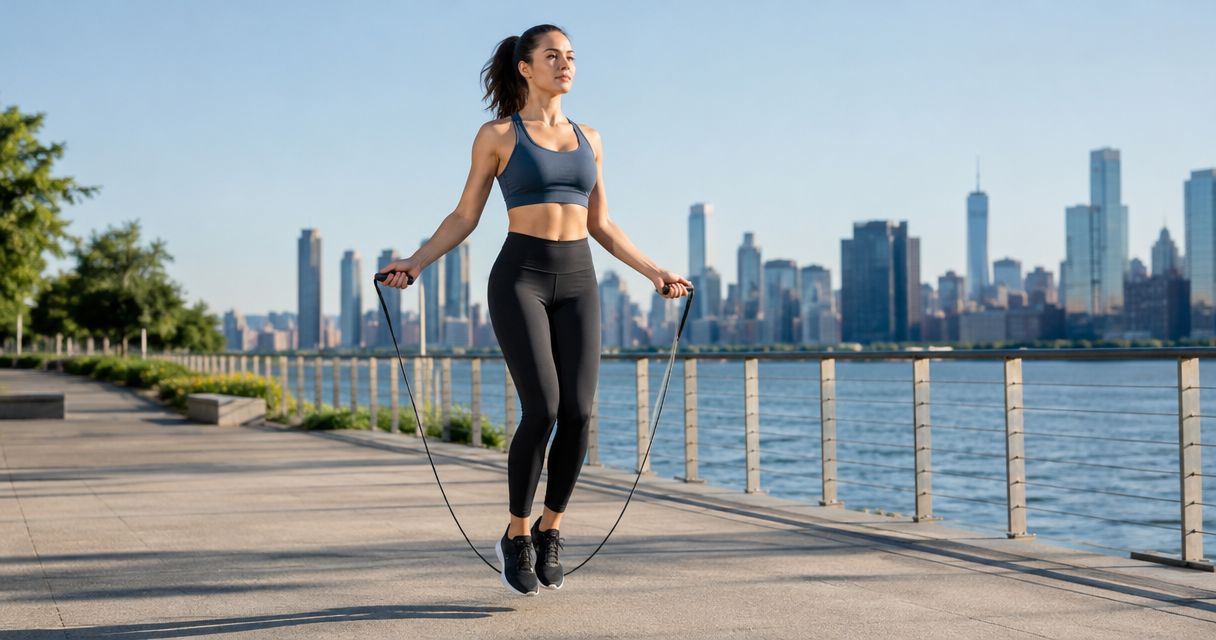
A lighter rope is a sensible starting point when your main task is coordinating the turn with your jump. You still need timing, clearance and repeatable movement. You do not need added resistance to practise those skills.
Its advantage is simplicity: you can concentrate on the movement rather than treating arm fatigue as the goal. Its limitation is equally clear. If you specifically want to turn a heavier rope, a lighter option does not deliver that experience.
Choose a lighter rope when technique is the priority. Progress means fewer unnecessary movements and more controlled skipping, not simply moving to heavier equipment.
Do not treat a lighter rope as equipment you must outgrow. Keep using it if it suits your sessions, whether you are warming up, practising footwork or building a regular exercise habit.
Weighted jump rope: best for added-resistance conditioning
A weighted rope adds mass to the equipment you turn. Where that mass sits matters: weight in the rope and weight in the handles do not create an identical movement experience. Check the construction rather than relying on the word weighted.
The benefit is a different resistance challenge during skipping. The drawback is that fatigue can become the limiting factor before your intended session is complete. If your shoulders rise, your grip tightens excessively or your landings lose control, the session needs adjusting.
Choose a weighted rope when you want the resistance itself. Do not choose it solely because you expect a heavier tool to produce better results in every workout.
A weighted rope is also not a substitute for every form of strength training. Turning a rope is a different task from progressively training major muscle groups through exercises selected for strength.
Smart weighted jump rope: best for electronic counting
A smart weighted rope combines resistance with an electronic feature. A counter is useful when you want to record repetitions without counting every turn yourself. That convenience is separate from the rope's fit and handling.
The limitation is straightforward: a displayed total cannot tell you whether your landings were controlled or whether fatigue changed your technique. Treat the count as a session record, not a movement assessment.
For a 2026 purchase, inspect the exact tracking functions before deciding. Electronic counting does not by itself establish phone connectivity, app synchronisation or compatibility with a particular fitness platform.
Choose electronic counting when you will actually use the record. If you prefer an uncomplicated session without checking a display, the feature does not need to drive your decision.
Why a weighted jump rope's value varies
The same rope can suit one routine and interrupt another. These factors determine whether added resistance serves your training:
- Training goal: Choose resistance for resistance-focused skipping, rather than assuming it improves every session.
- Current technique: Establish repeatable timing and controlled landings before increasing the challenge.
- Weight placement: Check whether the added mass sits in the rope, the handles or both.
- Fit and handling: Confirm the rope's adjustment method and whether you can hold the handles comfortably.
- Training space: Allow clearance for the full rope path, including overhead and behind you.
- Tracking habits: Choose a counter because recording repetitions helps your routine, not because a display looks advanced.
Use these checks together. A useful counter does not compensate for awkward handling, and comfortable handles do not solve a space problem.
How do you decide whether to buy one?
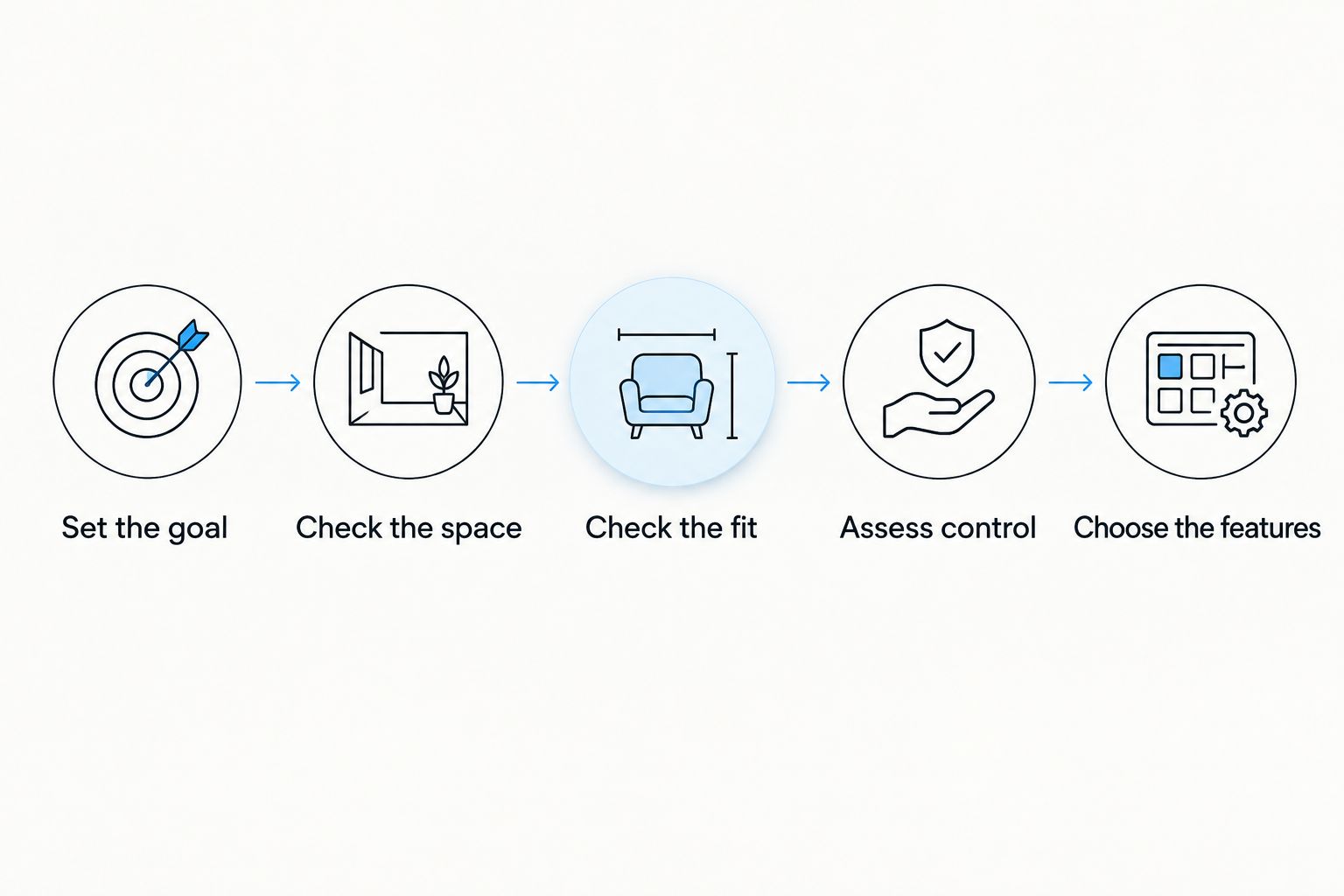
Make the decision in this order. Start with the session you want, then assess the rope that fits it.
- Set the goal. Decide whether you want to learn skipping, practise footwork or add resistance to conditioning.
- Check the space. Make sure the rope can travel freely without hitting furniture, fixtures or other people.
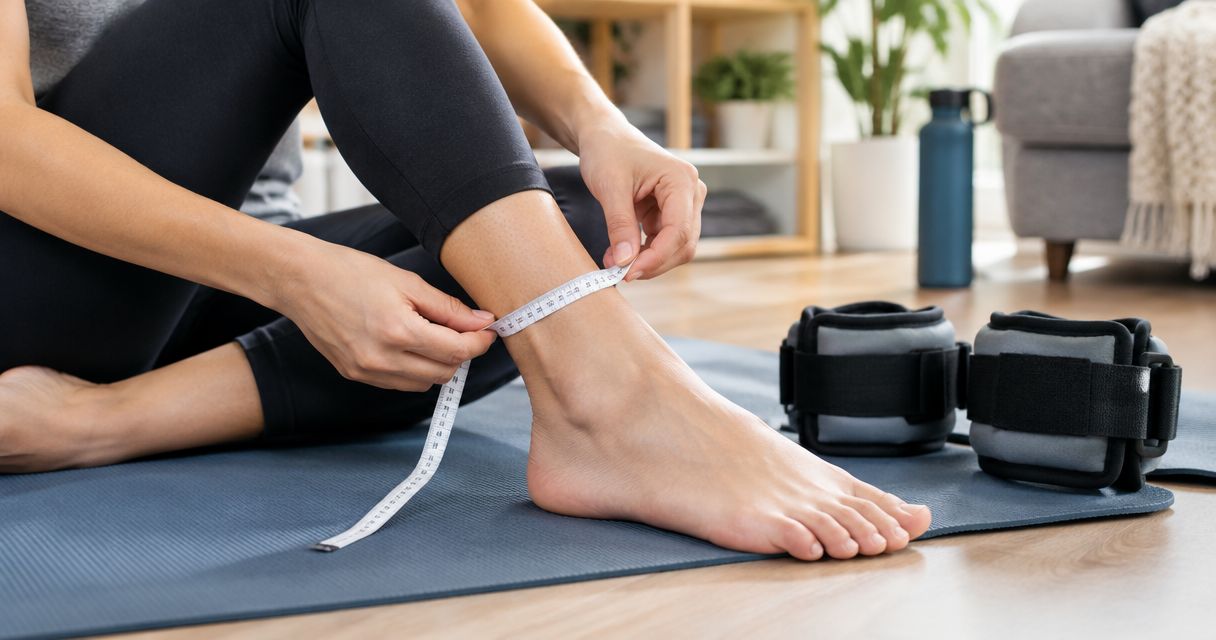
- Check the fit. Read the adjustment instructions and confirm how the rope is intended to be sized.
- Assess control. When trying a rope, prioritise relaxed handling and controlled movement over a high count.
- Choose the features. Add electronic counting only if it helps you record and repeat useful sessions.
The order matters. Choosing features first makes it easy to overlook whether you can use the equipment comfortably in your available space.
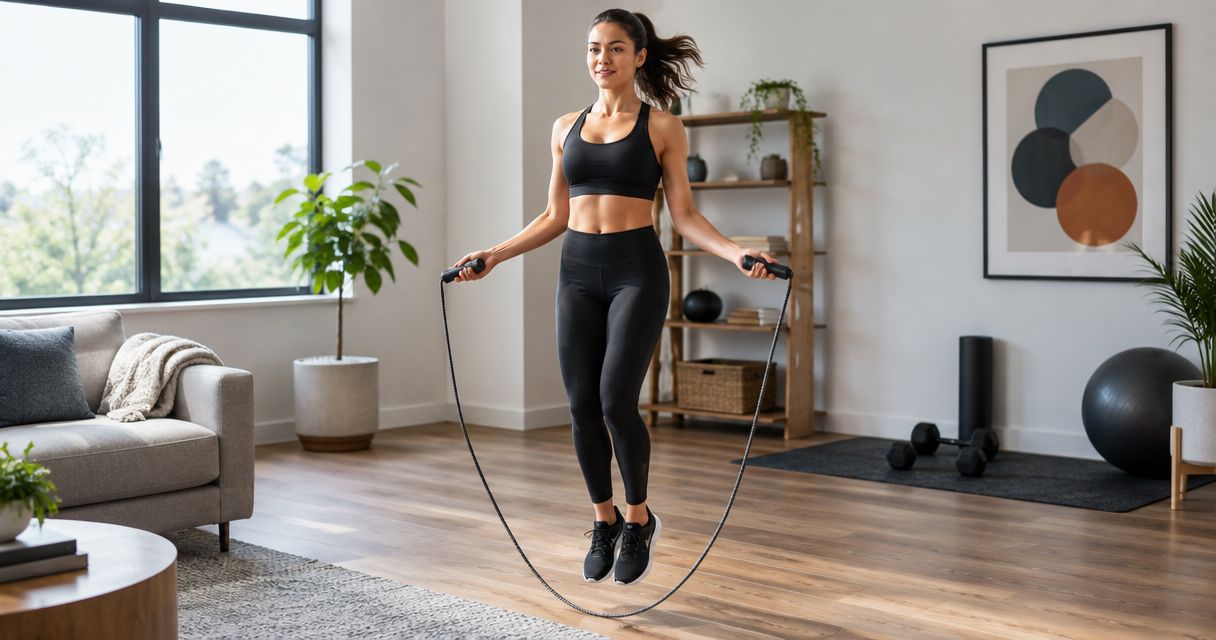
For a home workout in Singapore, include shared-space considerations in that check. Clear the floor, account for ceiling fixtures and consider the impact noise your session creates. Small equipment still needs a usable movement area.
Where does Sweatjoy's weighted jump rope fit?
Sweatjoy is best for gym-goers shopping for fitness training gear and accessories. Its Smart Weighted Jump Rope with Electronic Counter belongs on your shortlist if you specifically want a weighted rope with a counting feature. You can explore the store at Sweatjoy.
The relevant advantage is the combination named in the product: weighted skipping and an electronic counter. The trade-off is that counting remains an accessory to your workout; it does not establish comfortable handling, suitable resistance or good technique.
Before choosing it, check the current product information for adjustment, weight placement, counter operation and care instructions. Confirm any desired app connection separately. Do not infer compatibility from the word smart.
Is a weighted rope better for weight loss?
A weighted rope is not an automatic weight-loss upgrade. Body-weight change depends on energy balance over time, and the rope you can use consistently has a stronger practical case than one you avoid.
A harder-feeling session does not establish how much energy you used. Duration, effort and your individual circumstances all affect the workout; rope weight alone cannot supply a reliable calorie total.
If weight management is your main goal in 2026, choose a sustainable exercise routine rather than treating one accessory as the deciding factor. Keep the rope if it helps you stay active; change the approach if it repeatedly stops you training.
Can a beginner start with a weighted jump rope?
A beginner can consider a weighted rope, but added weight is not a requirement for learning. Prioritise sizing, timing and controlled landings before making resistance the focus.
If you repeatedly trip, pull your arms wide or lose control as you tire, simplify the task. A lighter rope or basic movement practice is a valid next step, not a setback.
Avoid turning the first session into a test of how much discomfort you can tolerate. Stop for pain, and seek qualified advice if an injury or health condition affects your ability to jump safely.
Does a weighted rope replace strength training?
A weighted rope does not replace a balanced strength programme. It provides a skipping-based conditioning activity with added resistance, rather than a full selection of strength exercises.
The WHO recommendation of muscle-strengthening activity on 2 or more days per week covers all major muscle groups. Do not assume that holding weighted handles or turning a heavier rope meets that recommendation on its own.
Use the rope alongside training that matches your wider goals. Let each piece of equipment do a defined job instead of asking one accessory to cover everything.
FAQ
Is a weighted jump rope worth it if I already own a normal rope?
A weighted jump rope is worth considering if you specifically want added resistance during skipping. Keep your existing rope if it already supports your technique and conditioning goals.
What's the best jump rope for someone who keeps tripping?
Choose a rope you can size correctly and control comfortably, rather than prioritising added weight. Check timing, rope clearance and unnecessary arm movement before changing equipment.
Is a heavier jump rope always a better workout?
A heavier jump rope is not always a better workout. Added resistance is useful only when it fits your goal without preventing controlled movement or the session you intended to complete.
Can a weighted jump rope build muscle like lifting weights?
A weighted jump rope is not a replacement for a strength-training programme. Treat it as skipping with added resistance, and train major muscle groups separately for broader strength goals.
Does a smart weighted jump rope connect to every fitness app?
A smart weighted jump rope does not automatically connect to every fitness app. Check the exact product's supported connections; an electronic counter alone does not establish app compatibility.
Should I use my weighted jump rope every day?
Daily use is not a requirement for making a weighted rope worthwhile. Choose a schedule that allows controlled training and recovery, and reduce or stop activity when pain occurs.
Is Sweatjoy's electronic-counter rope suitable for my routine?
Sweatjoy's Smart Weighted Jump Rope with Electronic Counter is relevant if you want weighted skipping with electronic counting. Check its fit, resistance details and counter operation against your needs before choosing it.
One last thing
Keep your lighter rope if you add a weighted one. Different tools can serve different sessions; buying added resistance does not make your existing equipment obsolete.
For 2026, judge the purchase by what happens after the novelty wears off. A useful rope is one you can control, fit into your space and use for a clear training purpose. The count on the display comes second.