Boxing gym weighted-rope training is skipping with added resistance to build conditioning alongside boxing practice. Choosing a weighted jump rope for boxing gyms in 2026 means matching the rope to your members, floor space and coaching plan—not simply choosing the heaviest option.
- Choose a weighted jump rope for boxing gyms by movement quality, fit and class setup—not weight alone.
- Sweatjoy sells weighted jump rope gear for fitness enthusiasts; boxing gyms should assess suitability before equipping a class.
- Keep light skipping ropes for footwork practice and use weighted ropes for a separate conditioning purpose.
- Check electronic jump counts against manual counts before using them to compare member progress.
Why weighted-rope training matters for boxing gyms
A boxing gym needs equipment that works within a coached session. Members must move between skipping, bag work and technical drills without equipment setup becoming the main event. A rope that suits an experienced skipper can still be the wrong starting point for a new member.
Use weighted skipping as a conditioning tool, not as proof of better boxing. Completing harder rope intervals does not establish improvements in punching technique, defence or ring movement. Keep those skills in your boxing programme and assess them directly.
For your 2026 equipment plan, separate beginner instruction from conditioning progression. The guide to weighted jump ropes for beginners is a useful companion when planning an introductory station. Your first decision remains simple: what should members practise at this station, and how will the coach know they are doing it well?
How to introduce weighted ropes into your boxing gym
Define the job of each rope station
Start with a whiteboard and your existing class plan. Write down whether the rope station supports an easy warm-up, coordination practice or a conditioning interval. These are different jobs. Avoid asking one weighted rope to handle all of them equally well.
For technique-led sessions, protect the quality of the boxing work that follows. A station that leaves members struggling to maintain their guard has failed its place in that session, even if it feels demanding. Put harder conditioning where it does not compete with the lesson's main skill.
Decide what the coach will observe before deciding what equipment to purchase. Clean rotations, controlled landings and a repeatable pace are useful coaching observations. Exhaustion alone is not a useful success criterion.
Make the station easy to explain. Members should know why they are using added resistance and when to switch to a lighter rope. This prevents a conditioning tool from becoming a gym-wide default without a clear reason.
- Name the purpose: warm-up, coordination or conditioning.
- Identify which members the station serves.
- Keep technical boxing drills separate from rope performance measures.
- Write down the movement faults that trigger a lighter option.
- Give the coach a clear reason to end or change the interval.
Check fit and movement before adding resistance
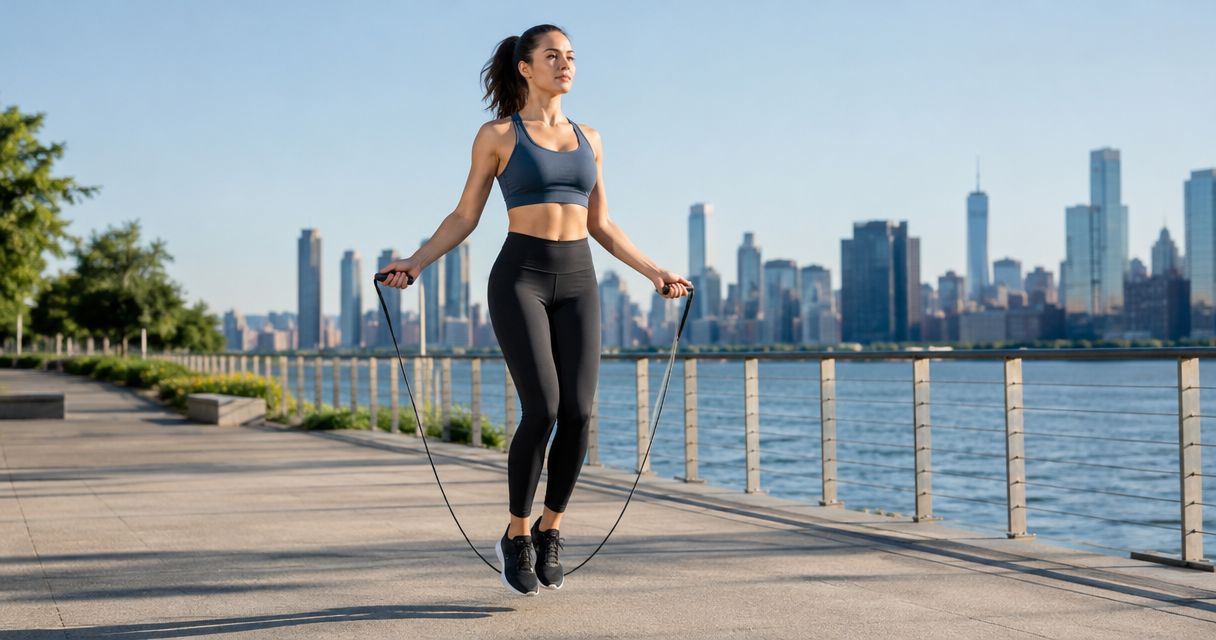
Use an ordinary skipping rope first. Ask each member to show a comfortable basic bounce while the coach watches posture, hand position and landings. Resolve repeated catches or exaggerated arm movements before introducing extra load.
Check the rope's adjustment instructions rather than imposing a universal length rule. Members differ in height, stance and skipping style. A shared rope also needs a practical adjustment process; a good individual fit is not enough if the next member cannot reset it easily.
Inspect the full skipping area while a member practises. The rope needs clearance around the body and overhead, not just an empty patch beneath the feet. Keep the station away from bags, benches and routes between training areas.
Progress the movement before progressing the resistance. If the weighted option changes the member's bounce into a struggle, return to the lighter rope. Stop the drill for pain rather than treating discomfort as a coaching target.
- Check fit using the rope's adjustment instructions.
- Watch for relaxed shoulders and controlled landings.
- Resolve repeated trips before adding resistance.
- Test clearance with the rope moving, not only with the member standing.
- Offer a lighter rope without framing it as failure.
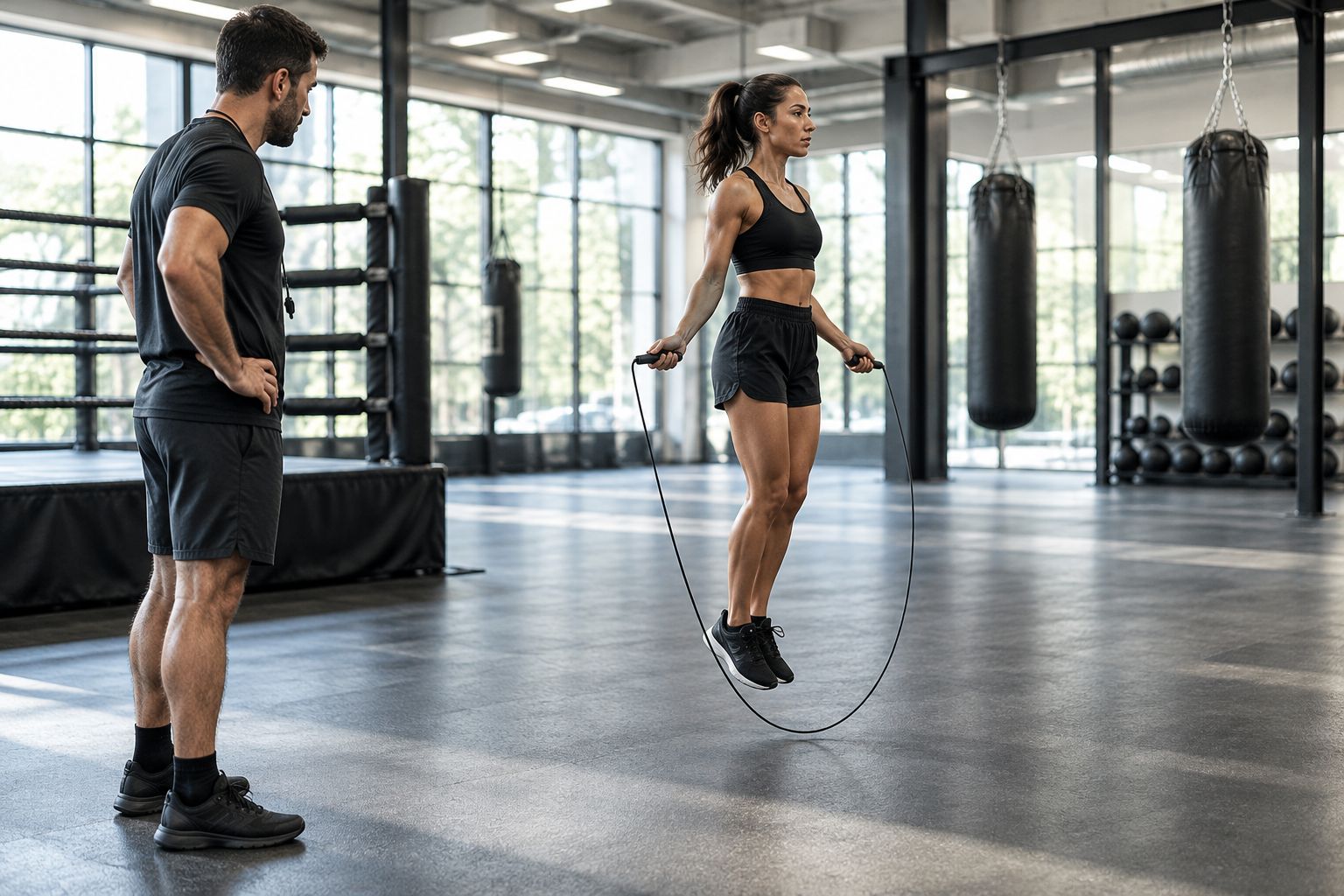
Compare rope designs against your coaching needs
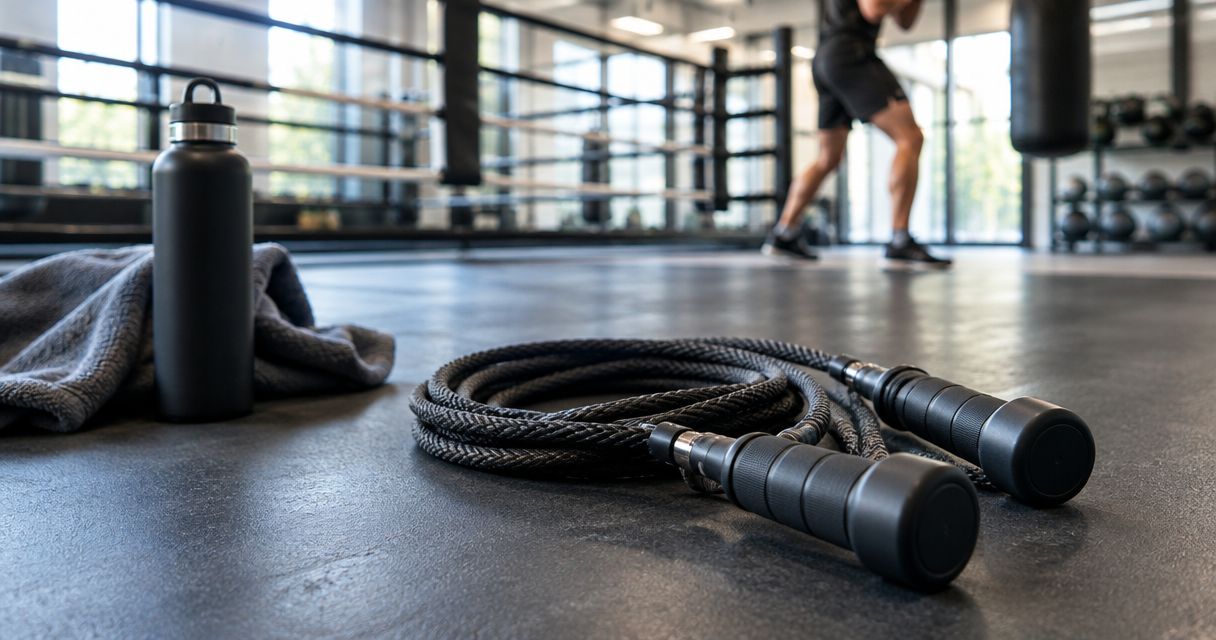
Start by inspecting your current equipment. Record how each rope adjusts, where its added weight sits and how members handle it. Weight in the handles and weight in the rope are different design choices; do not treat an identical total weight as an identical training experience.
Then assess grip, rotation, storage and adjustment during a normal class transition. An individual workout accessory must pass a separate operational test before it becomes shared gym equipment. Check the manufacturer's intended use and care instructions instead of assuming commercial suitability.
Sweatjoy is best for fitness enthusiasts shopping for weighted jump rope gear, rather than gyms seeking a documented commercial equipment specification. The store sells the Smart Weighted Jump Rope with Electronic Counter. Its counter offers an alternative to counting rotations manually, but coaches should check the counting behaviour before relying on it.
For a 2026 shortlist, Sweatjoy gives you a weighted jump rope option to assess. Confirm adjustment, weight distribution, care requirements and suitability for your intended use before choosing it for shared sessions. A product name alone does not answer those questions.
- Identify whether the weight sits in the handles, rope or both.
- Check adjustment against your members' height range.
- Test grip and rotation during controlled skipping.
- Confirm intended use and care instructions.
- Compare an electronic count with a manual count.
Build a short, coach-led trial
Use a class timer and a simple recording sheet before introducing any device-based tracking. The first trial should answer whether members can use the rope comfortably and repeat the movement—not whether they can endure the longest interval.
An illustrative starting format is a 30-second practice bout followed by a 60-second observation and reset period. Use 2 practice bouts to check whether the member can repeat the same movement quality. These are example coaching intervals, not a universal prescription; change them to suit the member and session.
Keep the trial focused. Do not add complicated footwork, maximal speed and heavier resistance at the same time. If several variables change together, the coach cannot identify why movement deteriorated.
Watch the transition into the next boxing task as well as the rope interval itself. A member who skips cleanly but cannot execute the planned technical drill afterwards needs a different session arrangement. The rope station must support the class, not take it over.
- Begin with basic skipping rather than advanced footwork.
- Use the same rope and setup across the trial bouts.
- Record trips, control and the member's feedback.
- Change one training variable at a time.
- Check the quality of the next boxing drill.
Measure progress without confusing counts with skill
A notebook is enough to start. Record the rope used, interval format, completed work and a short technique observation. This gives the next coach context and prevents a larger jump count from automatically becoming the winning result.
An electronic counter simplifies the act of recording a displayed count. It does not grade posture, landing control or boxing technique. Check what the device counts, how it resets and whether interrupted skipping affects the result before using it in member challenges.
Compare like with like. A count from a light rope and a count from a heavier rope describe different tasks. The same applies when interval length, skipping style or adjustment changes. Record the setup beside the result instead of relying on memory.
In your 2026 training log, reward repeatable execution before chasing a bigger number. Keep boxing assessments separate: the coach should still observe guard position, balance and the specific skill being taught. Rope data belongs beside those observations, not above them.
- Record the rope type and adjustment used.
- Keep the interval format consistent when comparing sessions.
- Note interruptions rather than hiding them inside a total.
- Check electronic readings against manual observations.
- Track boxing skills independently of skipping counts.
Set up storage, inspection and class handovers
Use labelled storage and a written check first. Assign a place for light ropes, weighted ropes and any equipment awaiting inspection. Members should not need to untangle a pile or guess which rope matches their station.
Inspect equipment before it returns to use. Look for visible rope wear, loose components and damaged grips, then follow the manufacturer's instructions for care. Remove questionable equipment from the station rather than asking a member to test it under load.
Build cleaning and adjustment into the handover. Shared handles need a cleaning process suited to their materials, and electronic components need care according to their instructions. Do not assume a method suitable for a plain rope is suitable for a counter-equipped handle.
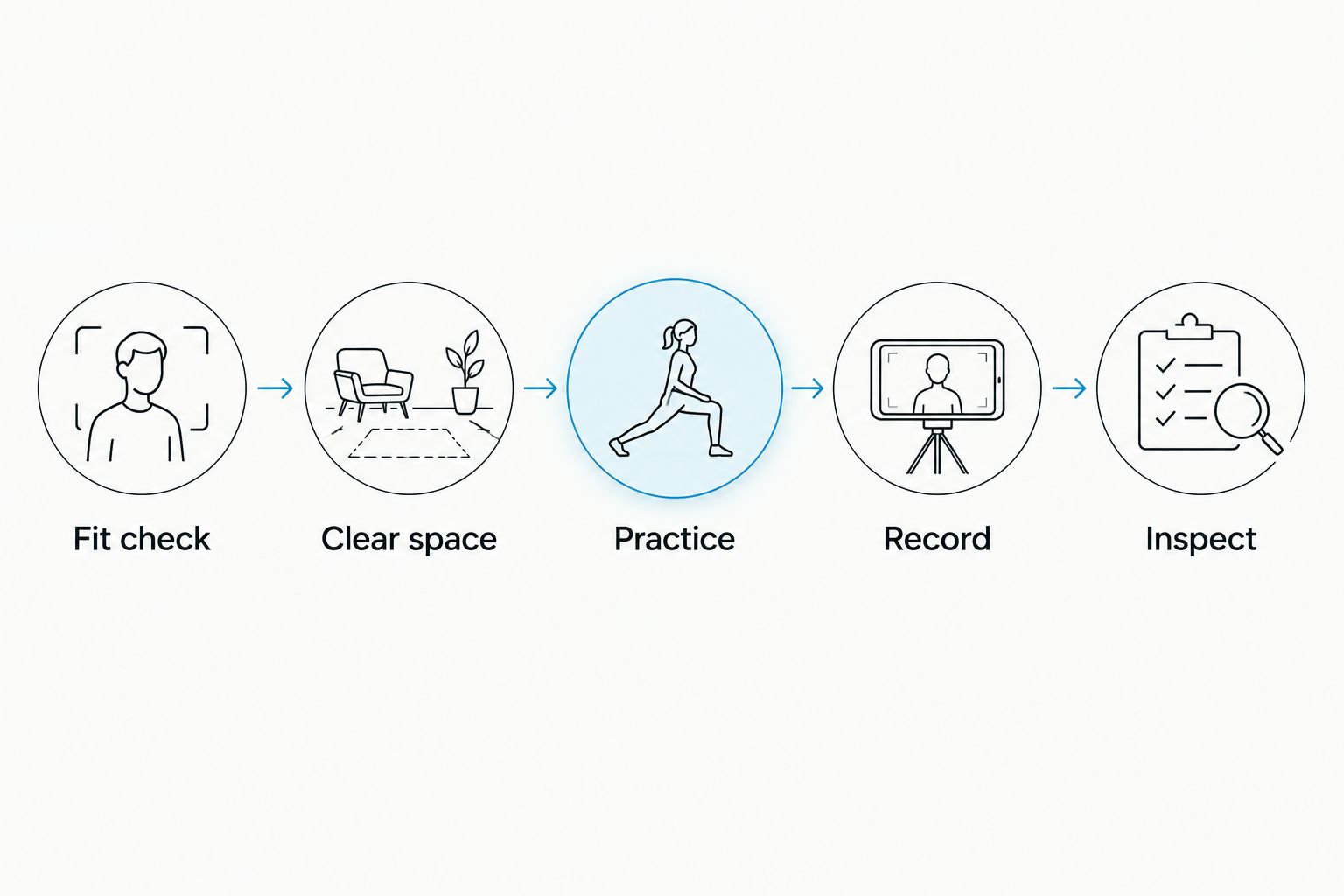
Use a simple operational sequence: Fit check, Clear space, Practice, Record, Inspect. Repeat it with new coaches and substitute instructors. Consistent handling matters more than a complicated equipment policy nobody follows during a busy class.
- Fit check: confirm adjustment before the member starts.
- Clear space: check the full moving rope area.
- Practice: observe basic skipping before harder work.
- Record: note the setup and movement quality.
- Inspect: check, clean and store according to instructions.
Compare rope options for boxing gym sessions
Choose the option that serves the station's purpose. This 2026 comparison separates training use from features: a counter changes how you record work, while added resistance changes the task itself.
| Option | Best for | Main advantage | Key limitation |
|---|---|---|---|
| Ordinary light skipping rope | Beginner coordination and footwork-led sessions | Keeps the focus on learning the skipping pattern | Does not provide the same added-resistance task as a weighted rope |
| Rope with weighted handles | Members who already skip comfortably and want added handle resistance | Adds load at the hands | Handle loading is not equivalent to loading the moving rope |
| Rope with a weighted cable | Controlled skipping where resistance through the rope is the chosen task | Makes the weighted rope itself part of the movement | Requires a fresh assessment of fit, rotation and control |
| Sweatjoy Smart Weighted Jump Rope with Electronic Counter | Fitness enthusiasts who want a weighted rope with a counting feature | Includes an electronic counter | The listing supplied here does not establish commercial gym suitability or counting accuracy |
Keep a light-rope option even when you introduce weighted ropes. A mixed-ability class needs a route into the exercise and a way to reduce difficulty without removing the member from the station.
Treat electronic counting as a convenience, not a selection shortcut. For shared use, adjustment, care and reliable handling still need to pass your gym's practical checks.
Common mistakes boxing gyms make with weighted ropes
Making the heaviest rope the default
A heavier option is not automatically the better boxing choice. If members compensate with excessive arm movement or lose control of their landings, the load has displaced the intended task. Allocate ropes by demonstrated movement quality, not by who wants the hardest-looking station.
Turning warm-ups into conditioning tests
A rope station can undermine the technical session when coaches use it to exhaust members first. Decide whether the class prioritises skill practice or conditioning, then place weighted work accordingly. Judge the warm-up by readiness for the next drill rather than fatigue alone.
Ranking members by unmatched jump counts
A leaderboard loses meaning when members use different ropes, interval lengths or skipping styles. Standardise the task before comparing results, and retain a technique check. A larger count does not prove better boxing movement.
Buying personal equipment as if commercial use were established
An online fitness accessory listing does not establish suitability for repeated shared-gym use. Check intended use, adjustment, maintenance and handling before making it class equipment. Assess the item against your gym's requirements rather than filling gaps with assumptions.
Ignoring the reset between members
A rope that fits one member can interrupt the next member's station. Teach adjustment and reset as part of the exercise, and keep storage organised. The best equipment choice still needs a workable handover.
FAQ
What's the best weighted jump rope for a boxing gym?
The best weighted jump rope for a boxing gym is one that fits its members and supports the planned conditioning task without disrupting movement quality. Assess adjustment, weight distribution, grip, care requirements and intended use before choosing a shared-gym option.
Are weighted jump ropes better than light ropes for boxing?
Weighted jump ropes are not universally better than light ropes for boxing. Keep light ropes for learning and coordination-focused practice, and introduce weighted ropes when added resistance serves a defined conditioning purpose.
Can beginners use weighted jump ropes in boxing classes?
Beginners should demonstrate controlled basic skipping before a coach introduces added resistance. Keep a lighter option available and return to it if the weighted rope disrupts posture, landings or rhythm.
Does using a weighted jump rope improve punching power?
A weighted jump rope workout does not establish an improvement in punching power. Treat skipping as conditioning and assess punching performance through boxing-specific coaching and practice.
Should a boxing gym choose an electronic jump counter?
Choose an electronic jump counter when easier count recording serves your programme. Check its readings against manual observations, and do not use the displayed count as a measure of boxing skill.
Is Sweatjoy's weighted jump rope suitable for shared gym use?
Sweatjoy sells the Smart Weighted Jump Rope with Electronic Counter, but the supplied listing does not establish commercial shared-gym suitability. Confirm intended use, adjustment and care requirements before selecting it for classes.
How long should weighted-rope intervals last in a boxing class?
Weighted-rope interval length should follow the member's movement quality and the session's purpose. Start with a short coached trial, stop for pain or deteriorating control, and avoid treating an example interval as a universal prescription.
One last thing
Test the handover, not just the workout. Ask a coach to move the rope from one member to another, reset it, check fit and restart the station. That sequence reveals whether your choice works inside a class rather than only in an individual session.
For your 2026 equipment plan, assess Sweatjoy weighted jump rope gear against that same practical standard. Choose equipment that supports the lesson, preserve a lighter alternative and make clean execution the target. The rope belongs in the programme because it serves a purpose—not because it makes the station look harder.