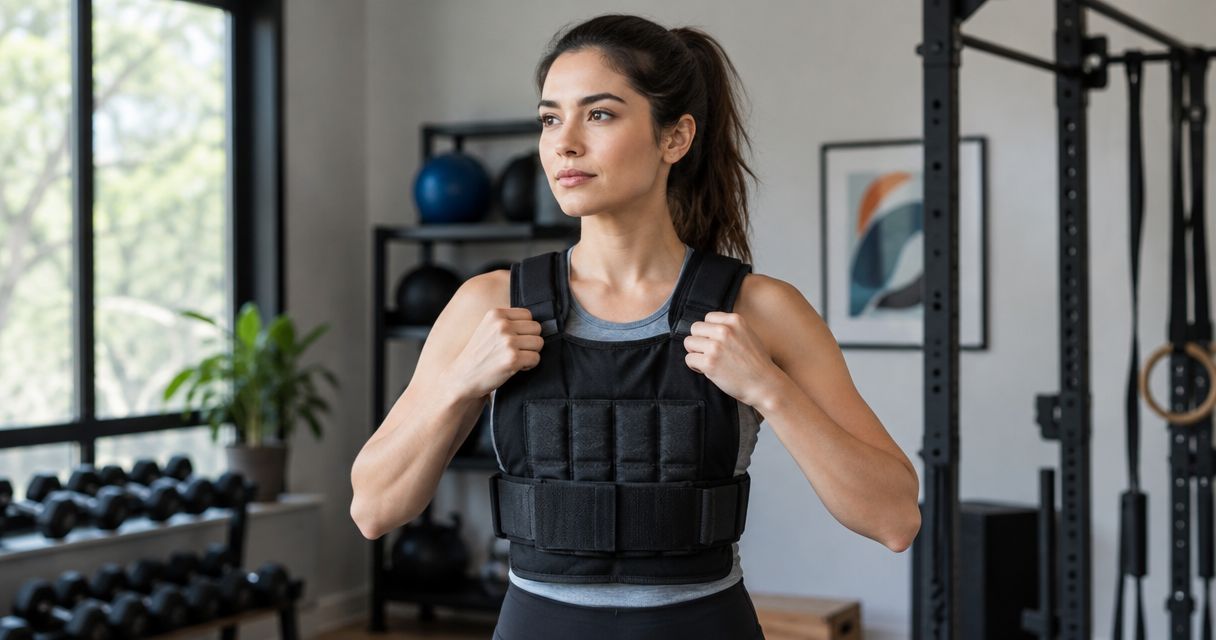
A beginner’s weighted vest should be light enough to keep normal walking posture, steady balance and comfortable breathing—not heavy enough to force you to lean or shorten your stride. Start with the lightest practical load, or start without a vest if ordinary walking already feels demanding. Your exercise, fitness and injury history determine the starting weight; body weight alone does not establish a safe load.
- How much weight should a weighted vest be for beginners? Start light enough to preserve normal movement and breathing.
- Choose an adjustable weighted vest for gradual loading; its maximum capacity is not your starting target.
- Stop if added weight causes pain, dizziness, unusual breathlessness or loss of balance.
- Sweatjoy serves gym-goers shopping for fitness accessories; choose equipment around an exercise you already perform comfortably.
Why this matters
A weighted vest should make a familiar exercise harder without changing how you perform it. If the load changes your movement, reducing the weight is more useful than trying to push through.
For your 2026 training plan, separate the exercise goal from the equipment purchase. A vest adds resistance to movement; it does not replace a walking habit, sound technique or a sensible progression. When browsing Sweatjoy, start with the movement you want to train rather than the heaviest accessory you can find.
How much weight should a weighted vest be for beginners?
Use the lightest load that lets you move as naturally as you do without the vest. There is no universal starting weight that suits every beginner, and a vest’s advertised capacity is not a recommendation for your first session.
Establish an unweighted baseline before adding resistance. Walk on a flat, familiar surface and notice your posture, breathing, arm swing and balance. Repeat the same movement with a lightly loaded vest, keeping the route and pace familiar so that the added weight is the main change.
Use this comparison to decide whether to continue:
| Starting approach | Best for | Benefit | Limitation or reason to stop |
|---|---|---|---|
| Unweighted walking | Beginners establishing a comfortable walking habit | Lets you assess movement without added load | Does not add external resistance |
| Lightly loaded adjustable vest | Beginners already comfortable with unweighted walking | Lets you change the load as your response becomes clear | Still requires a secure fit and a cautious first trial |
| Fixed-weight vest | People who have already established a suitable load | Keeps the loading setup simple | You cannot reduce its built-in weight if it feels too demanding |
| Heavier vest loading | Experienced users following an appropriate training plan | Adds a greater resistance challenge | Is not a suitable starting target simply because the vest can hold it |
The useful comparison is not whether you can tolerate wearing the vest while standing. It is whether you can perform your chosen exercise with control. Standing comfortably in a heavy vest does not establish that walking, climbing stairs or doing squats with it is appropriate.
Does a body-weight percentage tell you enough?
A body-weight percentage describes a load, but it does not assess your balance, exercise experience, joint comfort or vest fit. Treat percentage-based advice as incomplete unless it also explains the activity and the person it applies to.
Two people with the same body weight can need different starting approaches. One already walks comfortably; another is returning after a long break. Your response to the exercise matters more than matching someone else’s loading rule.
Adjustable vests: Best for gradual loading
An adjustable vest gives a beginner a practical advantage: you can remove weight when the exercise feels too demanding. That flexibility matters more than a large maximum capacity.
Check the adjustment method before buying. Confirm how the load changes, how the weights are secured and whether the unloaded vest itself is comfortable. An adjustable design is useful only when its lightest configuration suits you.
The trade-off is setup. You need to secure the loading components correctly and follow the manufacturer’s distribution instructions. Do not improvise an uneven loading pattern to reach a particular total.
Recommendation: choose adjustability over unused capacity. For a 2026 purchase, compare the usable starting configuration rather than treating the biggest capacity as the best value.
Fixed-weight vests: Best for an established load
A fixed-weight vest removes the task of adding or removing individual weights. That simplicity suits someone who already knows the load works for the intended exercise.
For a beginner, its limitation is equally clear: if the built-in weight is too much, you cannot make the vest lighter. Slowing down does not automatically solve a load that causes poor posture, discomfort or unstable movement.
Do not buy a demanding fixed load as motivation to become stronger. Select equipment for what you can control now, then progress through training rather than struggling through the purchase.
Recommendation: consider a fixed-weight vest only after establishing a comfortable load. Check fit as carefully as weight; a suitable total does not compensate for a vest that moves around excessively.
Why beginner weighted vest weight varies
The right starting load depends on the whole session, not just the number printed on the vest. Use these factors to judge whether an added load belongs in your routine:
- Exercise choice: Flat walking, stairs and bodyweight exercises place different demands on movement. Establish each activity separately rather than carrying the same loading decision into every workout.
- Current fitness: Being new to weighted vests is different from being new to exercise. Start without external weight if the underlying activity is already challenging.
- Balance and control: Added load must not interfere with stable steps, controlled turns or comfortable transitions between standing and sitting.
- Vest fit: A vest that shifts or restricts breathing needs adjustment or replacement, not determination. Follow its fitting instructions before adding weight.
- Session demands: Pace, duration and terrain all affect the challenge. Keep them familiar while assessing a new load.
- Health and injury history: Existing back, joint, balance, heart or lung concerns need individual advice before loaded exercise. A general beginner guide cannot clear those concerns.
Do not use general fitness as proof that every loading method will suit you. Running experience, for example, does not tell you how a particular vest will sit against your torso or whether it will stay secure during your chosen movement.
How do you test a beginner weighted vest load?
Use a controlled trial rather than treating the first outing as a workout to complete at any cost. The aim is to identify a manageable starting point, not to prove endurance.
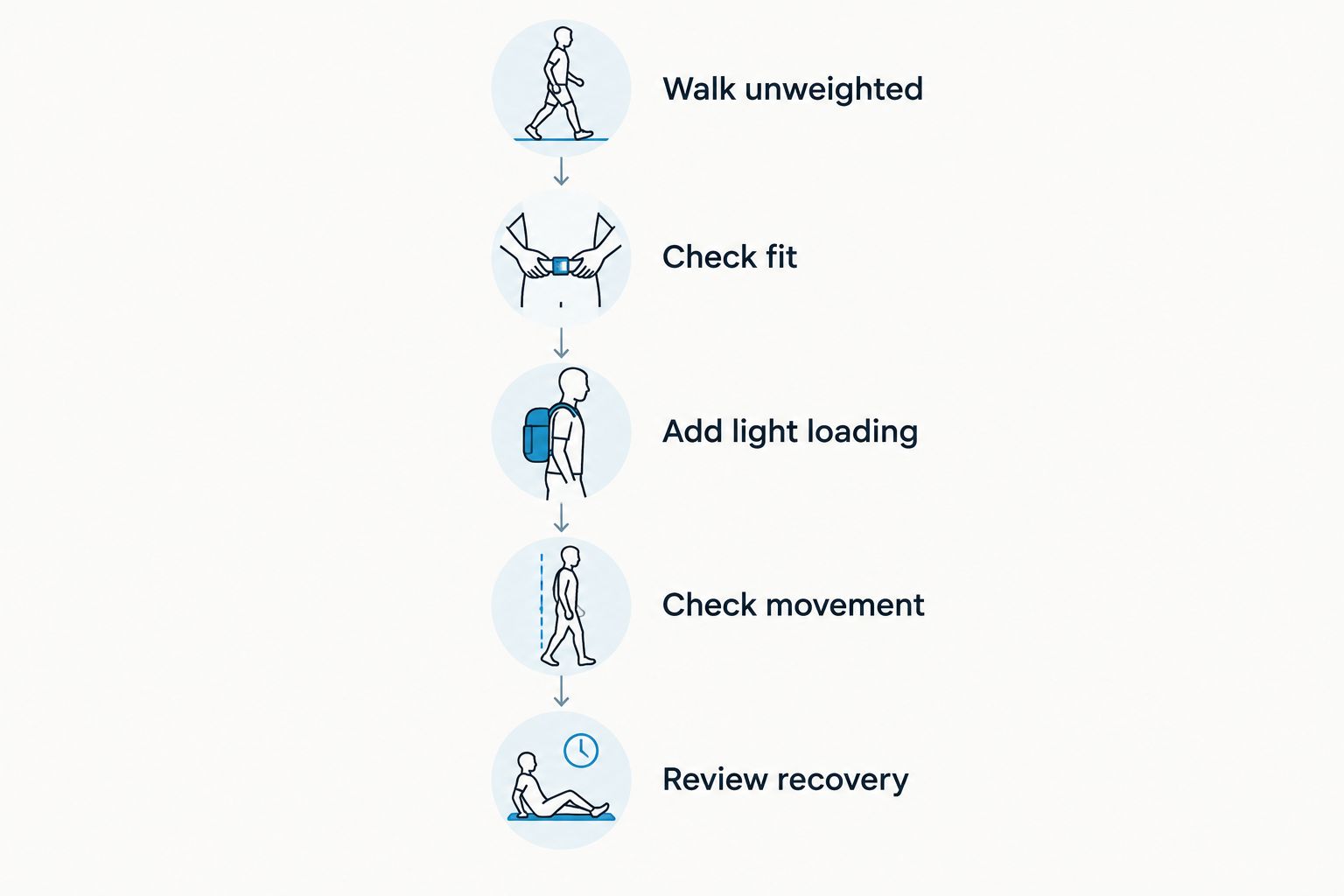
- Walk unweighted. Choose a familiar, flat route where you can stop easily. Establish how comfortable walking feels before introducing equipment.
- Check fit. Follow the vest’s instructions and secure every fastening. Make sure you can breathe comfortably and move your arms without the vest obstructing them.
- Add light loading. Use the lightest practical configuration and distribute the load as directed. Do not assume the supplied weights must all be installed.
- Check movement. Walk at a comfortable pace and notice leaning, shuffling, excessive bouncing or a change in balance. Remove load if the vest disrupts your normal movement.
- Review recovery. Consider how you feel during the activity and afterwards. Do not increase the next session merely because you finished this one.
The sequence keeps the decision simple: establish the movement, check the equipment, then assess the added resistance. Returning to an unweighted walk is a useful adjustment, not a failed session.
What should make you stop the trial?
Stop exercising if you develop pain, dizziness, unusual breathlessness or loss of balance. Remove the vest when it is safe to do so; do not continue to test whether symptoms disappear under the same load.
Chest pain, fainting or severe breathing difficulty require urgent medical attention. For persistent back or joint discomfort, get individual guidance before trying loaded exercise again. The guide to weighted vests and back pain explains the issue to consider alongside your loading choice.
When should a beginner increase weighted vest weight?
Increase the challenge only after the current setup feels controlled during the exercise and manageable afterwards. A calendar date alone is not a reason to add weight.
For a 2026 training log, record the vest configuration, activity, route and how the session felt. Include discomfort or changes in movement, not just whether you completed the workout. Those details make it easier to distinguish a comfortable session from one you merely endured.
Change one part of the session at a time. If you add weight, keep the route, pace and duration familiar. Adding load while also walking farther or choosing steeper terrain makes the result harder to interpret.
Use the smallest available loading adjustment that suits your equipment. If that adjustment makes movement worse, return to the previous configuration. You do not need to keep an increase simply because you tried it.
Should you add weight or walk longer first?
Neither option wins for every beginner. If your goal is to establish a consistent walking habit, comfortable unweighted walking remains a valid choice; adding resistance is not a requirement.
If you are specifically training with external load, establish a repeatable, controlled session before changing it. Do not make the vest heavier simply because a familiar walk has become easier—you can also maintain that session while building consistency.
Is a weighted vest the same as ankle weights?
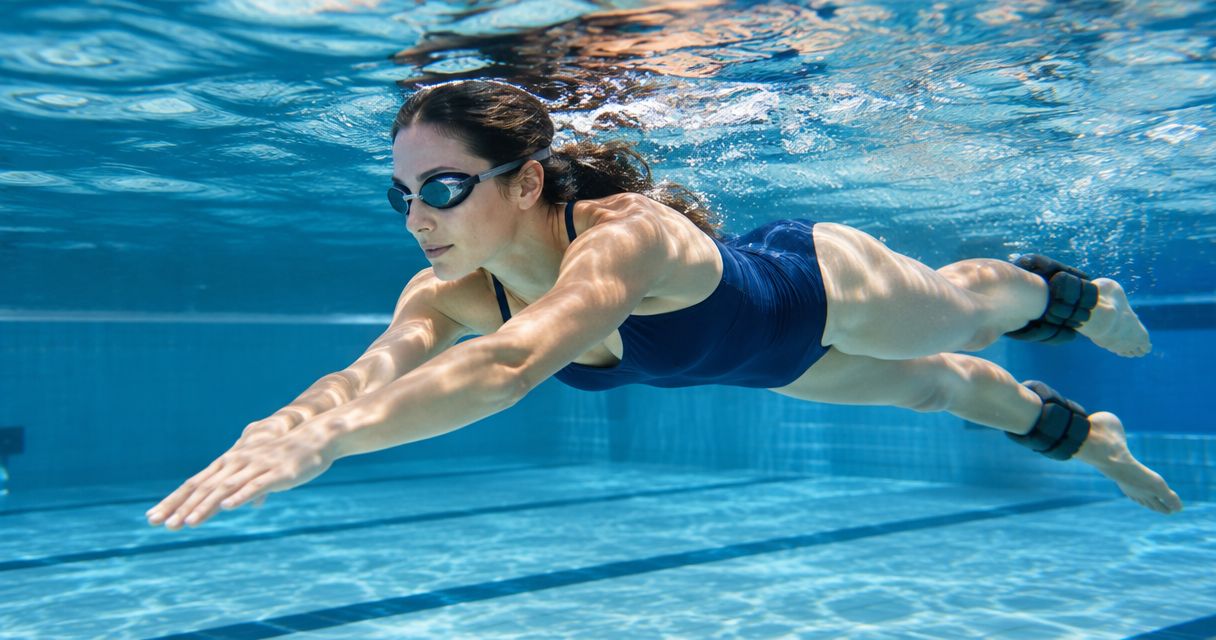
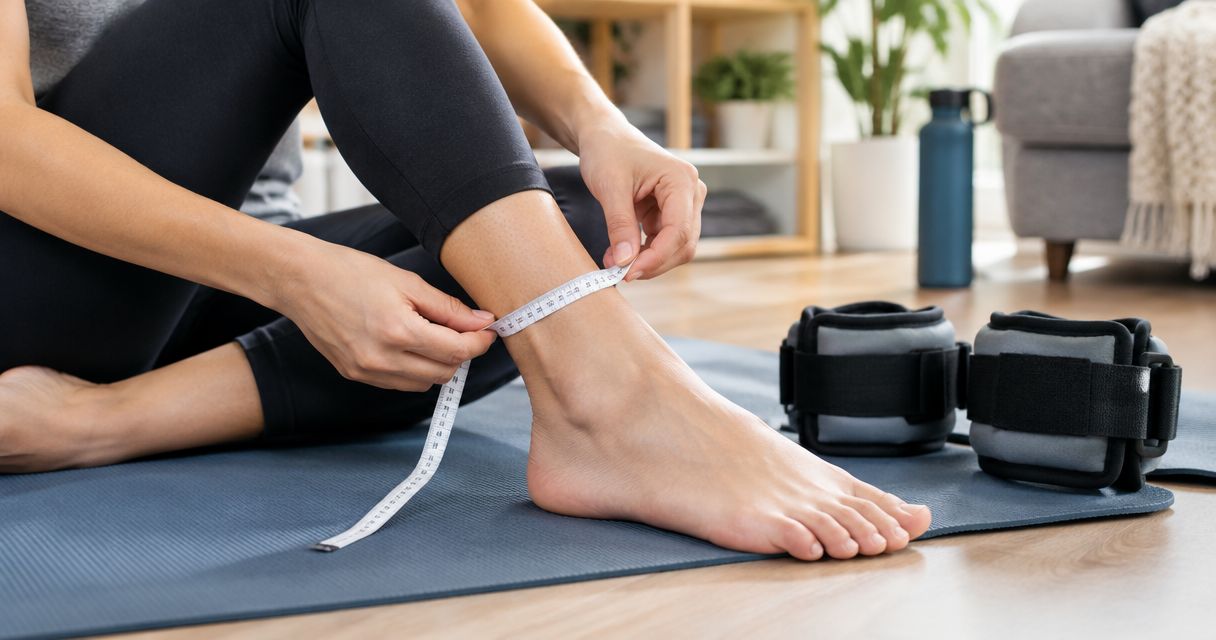
No. A weighted vest carries load around the torso, while ankle weights place it on the lower limbs. Their position changes how they interact with movement, so a weight that works in one format is not an equivalent starting prescription for the other.
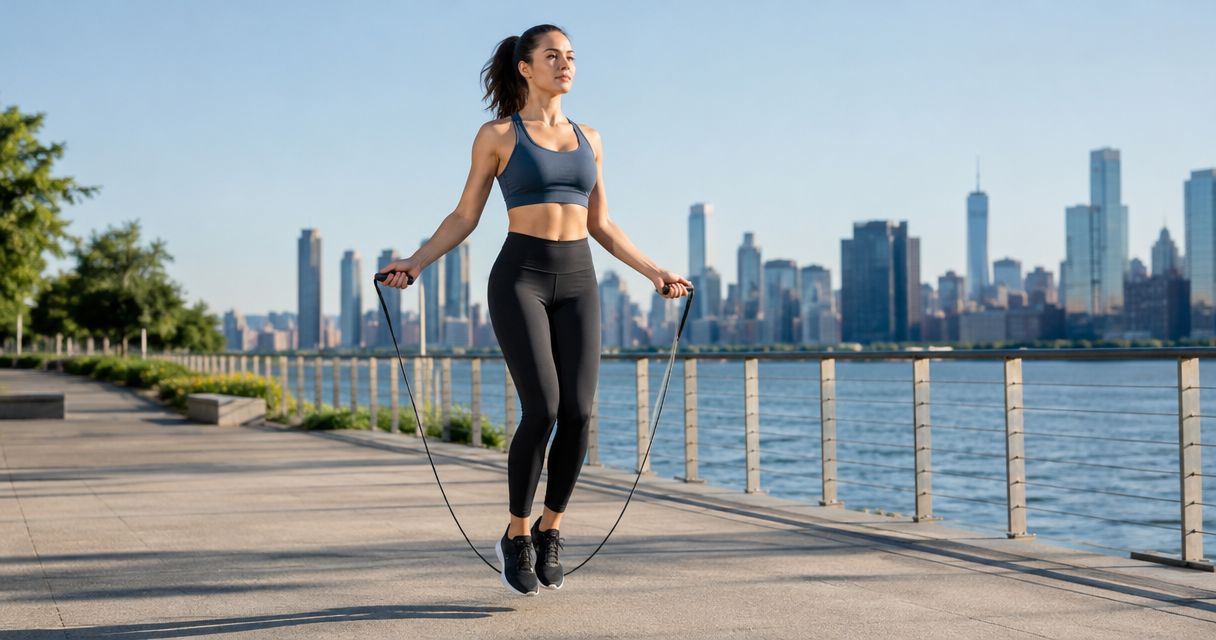
Choose the accessory for the exercise rather than assuming all wearable resistance is interchangeable. A walking plan, a controlled leg exercise and a skipping session are different tasks with different equipment demands.
Sweatjoy fitness accessories are best for gym-goers choosing gear for an existing workout routine. Its Weighted Leg Sandbags for Dance & Training (Unisex) belong to a different equipment category from a weighted vest; do not use a beginner vest-loading decision to choose their load.
That distinction keeps the purchase tied to the task. More wearable weight is not automatically more useful training, and adding several accessories at once makes it harder to assess what is helping or causing discomfort.
FAQ
How much weight should a weighted vest be for beginners in 2026?
A beginner should start with the lightest practical load that preserves normal movement, balance and comfortable breathing. Start unweighted if the underlying exercise already feels demanding.
Should I choose my first weighted vest by body-weight percentage?
Body-weight percentage alone is not enough to choose your first vest load. Your exercise, fitness, balance, health history and vest fit also affect the decision.
Is an adjustable weighted vest better for a beginner?
An adjustable weighted vest is better for changing the load as you assess your response. Check that its lightest configuration is suitable and that its weights remain securely fastened.
Can I start by running in a weighted vest?
Running is not the starting activity recommended in this guide. Establish comfortable unweighted exercise and assess a lightly loaded vest during controlled walking before considering more demanding activity.
How do I know whether my weighted vest is too heavy?
A weighted vest is too demanding for the session if it disrupts your posture, balance, breathing or movement. Reduce or remove the load, and stop for pain, dizziness or unusual breathlessness.
Should I increase weighted vest weight every week?
Do not increase weighted vest weight automatically each week. Base changes on controlled movement, manageable recovery and your response to the current session.
Can I use Sweatjoy ankle weights instead of a weighted vest?
Sweatjoy ankle weights are a different loading method, not a direct substitute for a weighted vest. Choose equipment for the specific exercise and assess its load separately.
One last thing
The most useful beginner feature is the ability to make the workout easier. Removable weight, accessible fastenings and a route where you can stop give you ways to respond when the first trial does not feel right.
Make that your 2026 buying rule: choose a setup you can scale down, not just scale up. A vest earns its place when it supports a repeatable exercise—not when its capacity becomes the workout goal.